
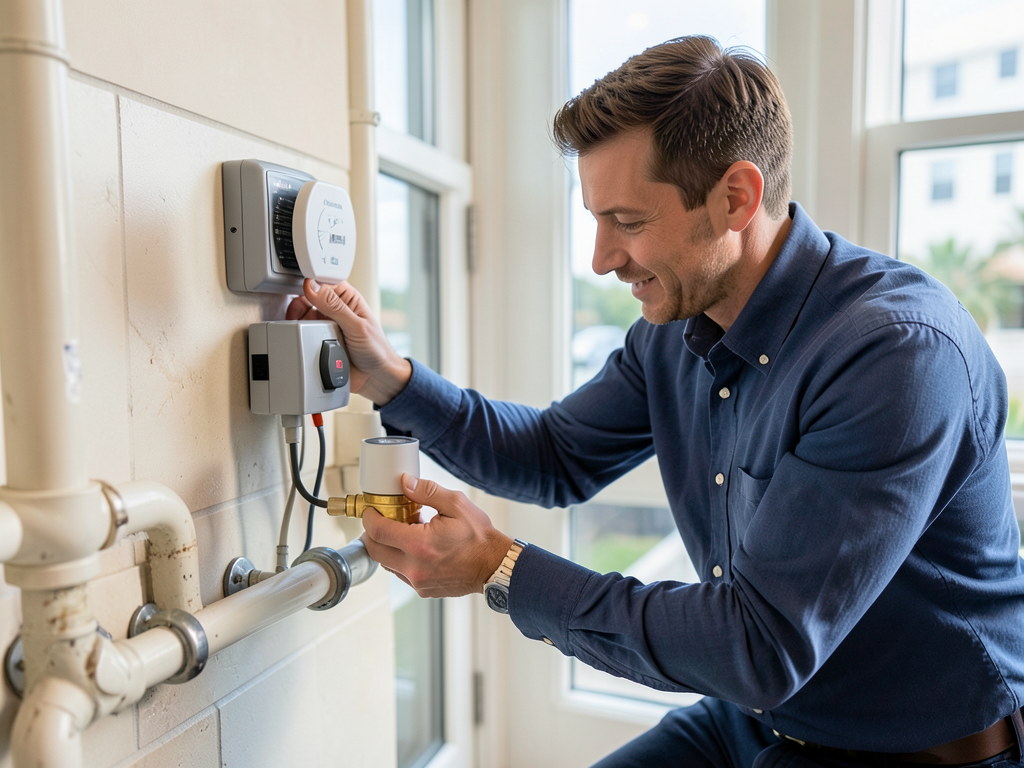
Smart ways to monitor your Fisher Island vacation home for leaks while you are away
Living on Fisher Island means owning one of Miami’s most exclusive waterfront properties. But when you’re away for weeks or months at a time, your luxury condo or estate becomes vulnerable to water damage from plumbing failures, AC condensate leaks, or storm-driven flooding. The good news is that modern smart home technology can give you peace of mind by monitoring your property 24/7 and even shutting off water automatically when leaks occur. Rapid storm damage repairs for Coconut Grove homeowners after a heavy rain.
Water damage in Miami moves fast. Within 24-48 hours, a small leak can create the perfect environment for mold growth in our high-humidity climate. Smart leak detection systems provide the early warning you need to prevent thousands in restoration costs. These systems connect to your home’s Wi-Fi and send instant alerts to your phone when they detect moisture or unusual water flow patterns. Professional water extraction for Doral commercial properties and warehouses.
The most effective approach combines multiple layers of protection. Start with a smart water shut-off valve that monitors your entire home’s water usage. These devices learn your normal water patterns and can detect anomalies like a burst pipe or running toilet. When they spot trouble, they automatically shut off the main water supply before serious damage occurs. Dealing with a burst pipe in your historic Little Havana bungalow.
For Fisher Island properties, consider systems that integrate with your existing smart home setup. Many smart leak detectors work with platforms like Google Home, Amazon Alexa, or Apple HomeKit. This allows you to check your home’s water status through a single app and receive notifications no matter where you are in the world. Commercial Water Damage Restoration.
Beyond the technology, proper maintenance plays a crucial role. Miami’s salt air and humidity accelerate corrosion on plumbing fixtures and AC components. Before leaving for extended periods, have a local professional inspect your water heater, AC condensate lines, and supply hoses. This preventive step can identify potential failure points before they cause problems.
Smart water monitoring isn’t just about preventing damage. Many insurance companies offer premium discounts for homes with certified leak detection systems. Some systems even provide detailed water usage reports that can help you identify inefficiencies and save on utility bills when you’re in residence.
The key to effective vacation home monitoring is choosing the right combination of devices for your specific property. High-rise condos may need different solutions than single-family estates. Consider factors like your home’s age, plumbing material, and the complexity of your water distribution system when selecting monitoring technology. What to do right now if your Coral Gables home is flooding.
Ready to protect your Fisher Island investment? Call (786) 789-8282 today to schedule a smart home water security consultation. Our Miami-based experts understand the unique challenges of coastal property protection and can recommend the best monitoring solutions for your specific needs.
Understanding Miami’s Water Damage Risks
Miami’s tropical climate creates unique water damage challenges that generic leak detection advice doesn’t address. Our high humidity levels, averaging 75% year-round, mean that even small leaks can lead to rapid mold growth within 24-48 hours. This makes early detection critical for preventing extensive damage.. Read more about Warning signs your aging water heater is about to flood your garage in Westchester.
Salt air corrosion is another major concern for Fisher Island properties. The corrosive effects of ocean air can degrade plumbing connections, AC condensate lines, and water heater components much faster than in inland areas. This accelerated wear increases the likelihood of unexpected failures when you’re away.
During hurricane season, power outages can disable traditional sump pumps and water removal systems. Smart monitoring systems with battery backup ensure continuous protection even when the grid goes down. Some advanced systems can even alert you to power failures at your property.
Miami-Dade County’s building code requires specific water management features for coastal properties. Understanding these requirements helps you choose compliant monitoring systems. For example, many Fisher Island buildings require secondary drain pans under AC units to catch condensate overflow.
The age of your Fisher Island property also affects your monitoring needs. Older buildings with copper piping may be more prone to pinhole leaks from corrosion, while newer constructions with PEX piping have different failure modes. Smart systems can be calibrated to detect the specific leak signatures common to your home’s plumbing type.
According to the IICRC S500 standard for water damage restoration, Category 1 water (clean water from supply lines) can degrade to Category 3 (black water with pathogens) in as little as 72 hours in warm, humid conditions. This timeline underscores why Miami homeowners need immediate leak detection capabilities. IICRC Water Damage Standards.
Don’t wait for a disaster to discover your monitoring system isn’t adequate. Call (786) 789-8282 for a professional assessment of your Fisher Island property’s water security needs.
Top Smart Water Monitoring Solutions
Several smart water monitoring technologies stand out for Fisher Island vacation homes. Each offers different features and price points, allowing you to choose the best solution for your property and budget.
Smart water shut-off valves represent the most comprehensive protection. These devices install on your main water line and use ultrasonic sensors to monitor flow rates. When they detect unusual patterns indicating a leak, they automatically shut off water to the entire house. Popular models include the Phyn Plus, Moen Flo, and Streamlabs Control.
Point-of-use leak detectors provide targeted protection for high-risk areas. These battery-powered sensors monitor specific locations like under sinks, near water heaters, or in laundry rooms. When they detect moisture, they send alerts to your phone and can trigger connected shut-off valves. Many Fisher Island properties benefit from placing these near AC air handlers where condensate leaks commonly occur.
Smart water heaters with vacation mode offer another layer of protection. These units can detect leaks at the water heater itself and automatically shut down heating elements to prevent pressure buildup. Some models integrate with whole-home monitoring systems for comprehensive coverage.
Wi-Fi water sensors provide the most affordable entry point into smart monitoring. These small devices can be placed anywhere in your home and send alerts when they detect moisture. While they don’t shut off water automatically, they’re excellent for monitoring specific trouble spots like guest bathrooms or utility closets.
For maximum protection, consider a hybrid approach. Install a whole-home shut-off valve for automatic protection, then add point-of-use sensors in areas most likely to experience leaks. This combination provides both immediate response and targeted monitoring.
When selecting devices, verify they work with your Fisher Island property’s specific infrastructure. Some older buildings may have restrictions on cutting into main water lines, requiring professional installation or alternative solutions.
Want to compare the best options for your home? Call (786) 789-8282 to speak with a water security specialist about your monitoring options.
Installation and Setup Best Practices
Proper installation makes the difference between a system that works when you need it and one that fails during an emergency. Follow these guidelines to ensure your smart water monitoring provides reliable protection for your Fisher Island property.
Professional installation is recommended for whole-home shut-off valves. These devices require cutting into your main water line and configuring with your home’s specific plumbing characteristics. A licensed plumber can also identify potential issues like corroded connections or outdated materials that might affect system performance.
Sensor placement strategy matters significantly. Position moisture sensors in areas where leaks commonly occur: under kitchen and bathroom sinks, near water heaters, around washing machine connections, and beneath AC air handlers. For Fisher Island condos, also monitor areas where plumbing runs through walls to common areas.
Wi-Fi connectivity is crucial for smart monitoring systems. Test signal strength throughout your property before finalizing sensor locations. Some Fisher Island buildings have thick concrete walls that can block wireless signals. You may need Wi-Fi extenders or a mesh network system to ensure reliable communication.
Power backup considerations are essential for Miami’s storm-prone climate. Choose devices with battery backup or connect critical sensors to uninterruptible power supplies. This ensures continued monitoring during power outages when water damage risks increase.
Integration with your existing smart home system can simplify management. Many modern monitoring systems work with platforms like Google Home, Amazon Alexa, or Apple HomeKit. This allows you to check your home’s water status through a single app and receive notifications no matter where you are.
Test your system thoroughly before leaving for extended periods. Run simulated leak scenarios to verify that sensors trigger correctly and that you receive alerts on your phone. Check that shut-off valves operate smoothly and that battery backups function properly.
Documentation is important for insurance purposes. Keep records of your monitoring system installation, including device models, installation dates, and maintenance schedules. Some insurance companies require this documentation for premium discounts.
Need professional installation? Call (786) 789-8282 to schedule expert setup of your Fisher Island smart water monitoring system.
Maintenance and Testing Schedule
Even the best smart monitoring systems require regular maintenance to ensure they function properly when you need them. Develop a maintenance schedule that addresses both the technology and the plumbing infrastructure it protects.
Monthly testing keeps your system reliable. Run a manual test of each sensor by placing a wet cloth near it to verify that alerts trigger correctly. Check battery levels in wireless sensors and replace them as needed. Test shut-off valve operation by manually activating the device.
Quarterly inspections should include checking all physical connections. Examine sensor housings for corrosion or damage, particularly in areas exposed to salt air. Verify that shut-off valve mechanical components move freely and aren’t seized from lack of use.
Bi-annual professional inspections provide deeper assessment. A licensed plumber can check for developing issues like pipe corrosion, valve wear, or AC condensate line blockages that smart sensors might not detect. They can also verify that your monitoring system integrates properly with your home’s plumbing.
Before each extended absence, perform a comprehensive system check. Test all sensors, verify battery backups, and ensure your notification settings are active. Consider having a local property manager or trusted neighbor verify that the system is functioning correctly.
Seasonal considerations affect maintenance needs. During hurricane season, pay extra attention to battery backup systems and ensure all sensors are properly secured. Before winter months when you might be away longer, consider draining your plumbing system if you won’t have someone checking the property.
Software updates keep your system secure and functioning optimally. Enable automatic updates when available, but also check manufacturer websites periodically for firmware updates that might improve performance or add new features.
Document all maintenance activities. Keep a log of tests performed, issues found, and repairs completed. This documentation helps identify patterns that might indicate developing problems and provides valuable information for insurance claims if damage does occur. EPA WaterSense Program.
Don’t let maintenance slide. Call (786) 789-8282 to schedule your bi-annual smart water monitoring system checkup.
Integration with Property Management
For Fisher Island vacation homeowners, integrating smart water monitoring with professional property management creates a comprehensive protection strategy. This combination provides both technological surveillance and human response capabilities.
Choose a property management company familiar with smart home technology. They should understand how to respond to system alerts, including when to call emergency services versus when to investigate personally. The best managers have relationships with local plumbers and restoration companies for rapid response.
Establish clear protocols for alert response. Define what constitutes an emergency requiring immediate action versus situations that can wait for investigation. For example, a sensor detecting moisture near an AC unit might warrant a same-day inspection, while a minor flow anomaly could be monitored for escalation.
Provide your property manager with system access and training. They should know how to check system status, acknowledge alerts, and perform basic troubleshooting. Consider giving them temporary access to your monitoring app for periods when you’re traveling internationally.
Create an emergency contact hierarchy. List who to call first for different types of alerts, including backup contacts if primary responders are unavailable. Include local emergency numbers, your property manager, and trusted service providers.
Document your property’s plumbing layout for emergency responders. Create a diagram showing main shut-off valve locations, water heater placement, and areas with historical leak issues. Store this information digitally and provide copies to your property manager and key service providers.
Consider remote video verification for high-value properties. Some advanced monitoring systems integrate with security cameras, allowing you to visually confirm alerts before calling for service. This can prevent unnecessary emergency calls while ensuring real problems get immediate attention.
Insurance coordination is crucial. Inform your insurance company about your monitoring system and ensure your property manager understands how to file claims if damage occurs. Some insurers require specific documentation or response protocols to honor smart system discounts.
Regular communication keeps everyone aligned. Schedule quarterly meetings with your property manager to review system performance, discuss any incidents, and update protocols based on seasonal changes or property modifications.
Ready to integrate professional management with smart technology? Call (786) 789-8282 to learn about our property management partnership programs.
Insurance and Cost Considerations
Smart water monitoring systems offer both direct and indirect financial benefits for Fisher Island property owners. Understanding the cost structure and potential savings helps you make informed decisions about your investment in property protection.
Initial system costs vary widely based on the technology selected. Basic Wi-Fi water sensors start around $30-50 each, while comprehensive whole-home systems with automatic shut-off valves can cost $500-1,500 installed. Point-of-use sensors typically run $60-150 each, and professional installation adds $200-500 depending on system complexity.
Insurance premium discounts provide immediate returns on your investment. Many major insurers offer 5-13% discounts for homes with certified leak detection systems. Some companies partner with specific monitoring providers, potentially reducing equipment costs through bundled packages.
Consider the cost of potential water damage versus prevention. The average water damage claim in Miami exceeds $10,000, with severe cases reaching $50,000 or more. Smart systems that prevent even one major incident can pay for themselves multiple times over.
Monitoring service fees add ongoing costs but often provide valuable features. Monthly fees typically range from $5-15 and may include cellular backup, extended warranties, or professional monitoring services. Evaluate whether these features justify the expense for your specific situation.
Property value impacts should factor into your decision. Smart home features, including water monitoring, can increase resale value and make your property more attractive to buyers who value technology and security. Some real estate agents specifically market smart water systems as premium features.
Maintenance costs are relatively minor but important to budget. Plan for battery replacements every 1-2 years for wireless sensors, occasional software updates, and periodic professional inspections. These costs typically total $100-300 annually.
Tax considerations may apply for investment properties. In some cases, smart home improvements qualify as deductible expenses for rental properties. Consult with a tax professional about potential benefits for your specific situation.
Financing options make advanced systems more accessible. Some monitoring companies offer payment plans, and certain systems may qualify for home improvement loans or energy efficiency financing programs.
Weighing costs against benefits requires honest assessment of your risk tolerance. Properties with valuable contents, historical significance, or rental income potential may justify higher-end systems, while secondary residences might use more basic protection.
Want to understand the true cost-benefit for your property? Call (786) 789-8282 for a personalized financial analysis of smart water monitoring options.
Emergency Response Protocols
Even with the best prevention systems, emergencies can still occur. Having clear response protocols ensures you act quickly and effectively when smart sensors detect a real problem at your Fisher Island property.
Initial alert assessment is critical. When you receive a water alert, check the system’s status through your app. Many modern systems provide information about the type of detection (moisture, flow, temperature) and the severity level. This helps you determine whether immediate action is needed.
Remote verification capabilities can prevent unnecessary panic. If your system integrates with security cameras, check for visual confirmation of water before calling for emergency service. Some property owners give trusted neighbors or property managers camera access for verification when they’re traveling.
Contact hierarchy should be established before emergencies occur. List contacts in order of who to call first, including backup options if primary contacts are unavailable. Include local emergency numbers, your property manager, and trusted service providers with 24/7 availability.
Shut-off valve operation knowledge is essential. Know how to manually override your smart shut-off valve if the system malfunctions. Keep instructions for manual water shut-off in an easily accessible digital format, and ensure anyone who might need to respond knows where the main valve is located.
Damage mitigation steps can minimize losses while waiting for professional help. If safe to do so, move valuable items away from affected areas, place buckets under active leaks, and use towels to contain spreading water. Document damage with photos for insurance purposes.
Insurance notification procedures should be clear. Know what information your insurance company requires for water damage claims and who is authorized to speak on your behalf. Some policies require notification within specific timeframes to maintain coverage.
Professional service coordination prevents delays. Maintain a list of vetted plumbers, water damage restoration companies, and AC technicians who can respond quickly to Fisher Island. Many quality providers offer priority service to established customers.
Documentation throughout the emergency process supports insurance claims and future prevention efforts. Keep records of all communications, service calls, and repair costs. Note what triggered the incident and any contributing factors that might be addressed preventively.
Post-emergency system testing ensures your monitoring continues to function properly. After any incident, verify that all sensors are working correctly and that the system has reset properly. Some systems may require manual reset after automatic shut-off activation.
Emergency preparedness reduces stress when incidents occur. Having a clear plan and practicing your response protocol can make the difference between minor damage and major restoration projects.
Need emergency response planning assistance? Call (786) 789-8282 to develop a customized emergency protocol for your Fisher Island property.
Frequently Asked Questions
How quickly can water damage become serious in Miami’s climate?
In Miami’s high humidity, water damage can escalate rapidly. Mold can begin growing within 24-48 hours of moisture exposure, and Category 1 water can degrade to Category 3 (contaminated) in as little as 72 hours according to IICRC standards.
Are smart water monitors worth the investment for vacation homes?
Yes. The average water damage claim exceeds $10,000, while smart monitoring systems cost $300-1,500 installed. Plus, many insurance companies offer 5-13% premium discounts for monitored properties, providing immediate ROI.
Can I install smart water monitors myself or do I need a professional?
Basic sensors can be DIY installed, but whole-home shut-off valves require professional installation to ensure proper integration with your plumbing system and compliance with Miami-Dade building codes.
What happens if my Wi-Fi goes down during an emergency?
Many quality systems include cellular backup that continues monitoring and sends alerts even when your home’s internet is down. Battery backup also ensures sensors continue functioning during power outages.
How do I choose between different smart water monitoring brands?
Consider your specific needs: whole-home protection vs. point monitoring, integration with existing smart home systems, local professional support availability, and whether you want automatic shut-off capabilities.
Will smart water monitors work in my Fisher Island condo building?
Most systems work in condos, but some older buildings may have restrictions on cutting into main water lines. A professional assessment can identify the best solution for your specific building’s infrastructure.
How often should I test my smart water monitoring system?
Test sensors monthly by checking app connectivity and battery levels. Run a full system test quarterly, and schedule professional inspection every six months to ensure optimal performance.
What should I do if my smart monitor detects a leak while I’m out of state?
Follow your established emergency protocol: verify the alert through your app, contact your property manager or trusted neighbor for assessment, and call professional services if needed. Having a local response plan is crucial.
Can smart water monitors detect all types of leaks?
Smart monitors excel at detecting supply line leaks, appliance failures, and unusual water usage patterns. However, they may not detect slow leaks in walls or foundation seepage. Consider complementary inspection services for comprehensive protection.
How do smart water monitors affect my insurance coverage?
Many insurers offer premium discounts for monitored properties and may provide better claim service. Some companies also offer water damage mitigation services that can respond faster than traditional restoration companies.
{
“@context”: “https://schema.org”,
“@type”: “BlogPosting”,
“headline”: “Smart ways to monitor your Fisher Island vacation home for leaks while you are away”,
“description”: “Protect your Fisher Island vacation home from costly water damage with smart leak detection. Learn about remote monitoring, automatic shut-off valves, and Miami-specific risks.”,
“wordCount”: 3408,
“datePublished”: “2026-04-08T14:44:00.000Z”,
“dateModified”: “2026-04-08T14:44:00.000Z”,
“inLanguage”: “en-US”,
“mainEntityOfPage”: {
“@type”: “WebPage”,
“@id”: “https://fortresswaterdamagerestorationmiami.com”
},
“publisher”: {
“@type”: “LocalBusiness”,
“name”: “Fortress Water Damage Restoration Miami”,
“url”: “https://fortresswaterdamagerestorationmiami.com”
},
“author”: {
“@type”: “Organization”,
“name”: “Fortress Water Damage Restoration Miami”,
“url”: “https://fortresswaterdamagerestorationmiami.com”
},
“image”: {
“@type”: “ImageObject”,
“url”: “https://fortresswaterdamagerestorationmiami.com/wp-content/uploads/2026/03/smart-ways-to-monitor-your-fisher-island-vacation-1.png”
}
}
{
“@context”: “https://schema.org”,
“@type”: “LocalBusiness”,
“name”: “Fortress Water Damage Restoration Miami”,
“url”: “https://fortresswaterdamagerestorationmiami.com”,
“address”: {
“@type”: “PostalAddress”,
“addressLocality”: “Miami”
},
“areaServed”: {
“@type”: “City”,
“name”: “Miami”
}
}
{
“@context”: “https://schema.org”,
“@type”: “FAQPage”,
“mainEntity”: [
{
“@type”: “Question”,
“name”: “How quickly can water damage become serious in Miami’s climate?”,
“acceptedAnswer”: {
“@type”: “Answer”,
“text”: “In Miami’s high humidity, water damage can escalate rapidly. Mold can begin growing within 24-48 hours of moisture exposure, and Category 1 water can degrade to Category 3 (contaminated) in as little as 72 hours according to IICRC standards.”
}
},
{
“@type”: “Question”,
“name”: “Are smart water monitors worth the investment for vacation homes?”,
“acceptedAnswer”: {
“@type”: “Answer”,
“text”: “Yes. The average water damage claim exceeds $10,000, while smart monitoring systems cost $300-1,500 installed. Plus, many insurance companies offer 5-13% premium discounts for monitored properties, providing immediate ROI.”
}
},
{
“@type”: “Question”,
“name”: “Can I install smart water monitors myself or do I need a professional?”,
“acceptedAnswer”: {
“@type”: “Answer”,
“text”: “Basic sensors can be DIY installed, but whole-home shut-off valves require professional installation to ensure proper integration with your plumbing system and compliance with Miami-Dade building codes.”
}
},
{
“@type”: “Question”,
“name”: “What happens if my Wi-Fi goes down during an emergency?”,
“acceptedAnswer”: {
“@type”: “Answer”,
“text”: “Many quality systems include cellular backup that continues monitoring and sends alerts even when your home’s internet is down. Battery backup also ensures sensors continue functioning during power outages.”
}
},
{
“@type”: “Question”,
“name”: “How do I choose between different smart water monitoring brands?”,
“acceptedAnswer”: {
“@type”: “Answer”,
“text”: “Consider your specific needs: whole-home protection vs. point monitoring, integration with existing smart home systems, local professional support availability, and whether you want automatic shut-off capabilities.”
}
},
{
“@type”: “Question”,
“name”: “Will smart water monitors work in my Fisher Island condo building?”,
“acceptedAnswer”: {
“@type”: “Answer”,
“text”: “Most systems work in condos, but some older buildings may have restrictions on cutting into main water lines. A professional assessment can identify the best solution for your specific building’s infrastructure.”
}
},
{
“@type”: “Question”,
“name”: “How often should I test my smart water monitoring system?”,
“acceptedAnswer”: {
“@type”: “Answer”,
“text”: “Test sensors monthly by checking app connectivity and battery levels. Run a full system test quarterly, and schedule professional inspection every six months to ensure optimal performance.”
}
},
{
“@type”: “Question”,
“name”: “What should I do if my smart monitor detects a leak while I’m out of state?”,
“acceptedAnswer”: {
“@type”: “Answer”,
“text”: “Follow your established emergency protocol: verify the alert through your app, contact your property manager or trusted neighbor for assessment, and call professional services if needed. Having a local response plan is crucial.”
}
},
{
“@type”: “Question”,
“name”: “Can smart water monitors detect all types of leaks?”,
“acceptedAnswer”: {
“@type”: “Answer”,
“text”: “Smart monitors excel at detecting supply line leaks, appliance failures, and unusual water usage patterns. However, they may not detect slow leaks in walls or foundation seepage. Consider complementary inspection services for comprehensive protection.”
}
},
{
“@type”: “Question”,
“name”: “How do smart water monitors affect my insurance coverage?”,
“acceptedAnswer”: {
“@type”: “Answer”,
“text”: “Many insurers offer premium discounts for monitored properties and may provide better claim service. Some companies also offer water damage mitigation services that can respond faster than traditional restoration companies.”
}
}
]
}
{
“@context”: “https://schema.org”,
“@type”: “BreadcrumbList”,
“itemListElement”: [
{
“@type”: “ListItem”,
“position”: 1,
“name”: “Home”,
“item”: “https://fortresswaterdamagerestorationmiami.com”
},
{
“@type”: “ListItem”,
“position”: 2,
“name”: “Blog”,
“item”: “https://fortresswaterdamagerestorationmiami.com/blog”
},
{
“@type”: “ListItem”,
“position”: 3,
“name”: “Smart ways to monitor your Fisher Island vacation home for leaks while you are away”
}
]
}
{
“@context”: “https://schema.org”,
“@type”: “Service”,
“serviceType”: “Water Damage Restoration”,
“provider”: {
“@type”: “LocalBusiness”,
“name”: “Fortress Water Damage Restoration Miami”,
“url”: “https://fortresswaterdamagerestorationmiami.com”
},
“areaServed”: {
“@type”: “City”,
“name”: “Miami”
},
“description”: “Protect your Fisher Island vacation home from costly water damage with smart leak detection. Learn about remote monitoring, automatic shut-off valves, and Miami-specific risks.”
}