
Stopping balcony leaks from ruining your Brickell apartment interior
Balcony leaks in Brickell’s high-rise buildings can cause serious interior water damage before you even notice a problem. The combination of coastal salt air, high-rise wind pressures, and aging building envelopes creates a perfect storm for water intrusion that threatens your apartment’s walls, floors, and personal belongings. Commercial Water Damage Restoration.
When water seeps through balcony door frames or under sliding glass tracks, it travels along concrete slabs and drywall, creating hidden moisture pockets that breed mold within 24-48 hours in Miami’s humid climate. Understanding the specific failure patterns in Brickell’s luxury condominiums is the first step to protecting your investment. Efflorescence on Concrete.
How Brickell’s coastal environment accelerates balcony water intrusion
Brickell’s proximity to Biscayne Bay exposes buildings to salt-laden air that corrodes aluminum frames and degrades window seals faster than inland properties. The constant salt spray creates microscopic pitting on metal surfaces, allowing water to penetrate where it wouldn’t in a less corrosive environment. Water Damage Restoration Coral Gables.
High-rise buildings in the 33131 and 33129 zip codes face additional challenges from wind-driven rain at elevation. During summer thunderstorms, wind speeds increase with height, forcing water horizontally through even small gaps in balcony door assemblies. This pressure differential between the exterior and interior creates a vacuum effect that pulls moisture inside. Water Damage Restoration Doral.
Many Brickell buildings constructed before 2010 used lower-grade sealants that break down after 7-10 years of salt exposure. The thermal expansion and contraction of concrete balconies during Miami’s temperature swings creates micro-cracks that widen over time, providing entry points for water. Water Damage Restoration Miami Beach.
Common balcony leak sources in Brickell high-rises
Sliding glass door track drainage failures represent the most frequent cause of balcony leaks in Brickell apartments. When the small weep holes at the bottom of door tracks become clogged with debris, water backs up and flows under the door threshold into your living space. This often happens during heavy rain when drainage systems are overwhelmed.
Window seal degradation affects approximately 30% of Brickell’s pre-2015 condominiums. The double-pane windows lose their inert gas fill over time, causing the seals to fail and allowing water vapor to condense between glass layers. Eventually, this failure pattern extends to the window frame itself, creating gaps where rainwater can penetrate.
Concrete spalling from balcony decks provides another major entry point. When steel reinforcement bars inside concrete balconies rust due to saltwater exposure, they expand and cause the surrounding concrete to crack and flake away. These cracks widen with each freeze-thaw cycle, creating direct pathways for water to reach interior walls.
Improperly sealed balcony-to-building joints represent a structural vulnerability unique to high-rise construction. The movement between the balcony slab and the main building creates stress points where caulking fails, especially in buildings that haven’t been properly maintained according to Miami-Dade County building codes.
Early warning signs of balcony water damage
Water stains appearing on interior walls near balcony doors indicate active moisture intrusion. These stains often start as small discolorations but expand over weeks as water continues to penetrate. The stains may appear yellow, brown, or even have a musty odor if mold has already begun growing behind the drywall.
Efflorescence on exterior balcony surfaces signals that water is already moving through concrete structures. This white, chalky substance forms when water dissolves salts within concrete and carries them to the surface as it evaporates. Finding efflorescence on your balcony means moisture is actively traveling through the slab.
Peeling paint or bubbling drywall near balcony entrances suggests water has already compromised the interior finish. This damage often extends beyond what’s visible, as water travels along the path of least resistance within wall cavities. By the time you see surface damage, the underlying structure may already be saturated.
Drafty balcony doors that whistle during storms indicate failing weatherstripping that no longer creates an effective seal. This air infiltration often accompanies water intrusion, as the same gaps that let air pass also allow water entry during wind-driven rain events common to Brickell’s coastal location.
Professional balcony leak detection methods
Thermal imaging cameras reveal temperature differences that indicate moisture presence behind walls and under flooring. Water cools surfaces by 5-10 degrees compared to dry areas, creating visible patterns on infrared scans. This non-invasive testing can identify leak sources without damaging walls or flooring.
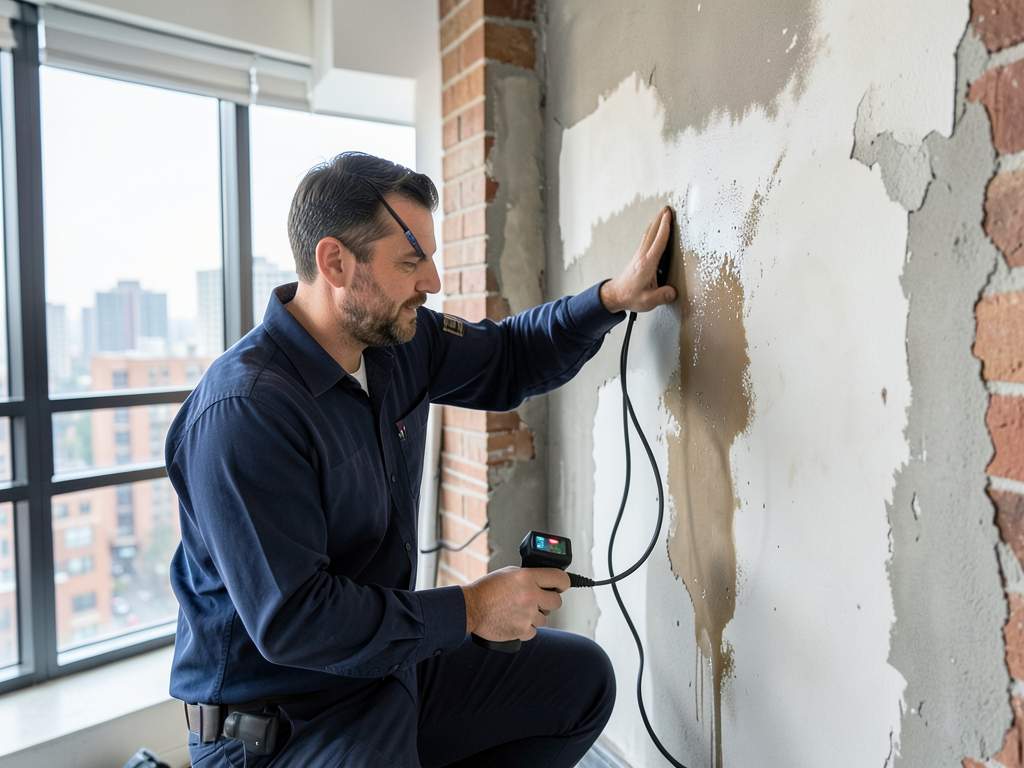
Moisture meters measure the electrical resistance of building materials to determine water content. Drywall with moisture levels above 15% indicates active water intrusion, while levels above 20% suggest saturation requiring immediate intervention. These readings help prioritize which areas need the most urgent attention.
Dye testing involves applying colored water to suspected leak areas and monitoring where it appears inside the apartment. This method helps pinpoint exact entry points when thermal imaging shows general moisture patterns but doesn’t reveal the specific breach location. Food-grade dyes make this testing safe for occupied units.
Pressure testing of window and door assemblies can reveal air leaks that correlate with water intrusion points. By creating positive or negative pressure within a room and using smoke pencils to track air movement, technicians can identify gaps that need sealing before they cause interior damage.
Immediate steps when you discover a balcony leak
Move furniture and electronics away from affected areas immediately to prevent permanent damage. Water conducts electricity and can destroy valuable electronics within seconds of contact. Elevate items on blocks or move them to unaffected rooms while the leak source is being addressed.
Place buckets or towels to catch active drips and minimize floor damage. While this won’t stop the leak, it prevents water from spreading to unaffected areas and reduces the cleanup required later. Change towels frequently as they become saturated to maintain effectiveness.
Document the damage with photos and videos for insurance purposes. Take clear pictures of water stains, damaged belongings, and the leak source if visible. This documentation proves invaluable when filing claims with your condominium association or personal insurance provider.
Notify your building management immediately about the leak. Most Brickell HOAs require prompt reporting of water damage to coordinate repairs and prevent damage to neighboring units. Delayed reporting can result in denied claims or disputes over responsibility for repairs. EPA mold information.
Professional balcony leak repair solutions
Complete window and door frame resealing involves removing old caulking and applying new, marine-grade sealants designed for coastal environments. These modern sealants flex with temperature changes and resist UV degradation, providing 10-15 year protection when properly applied by certified technicians.
Track drainage system restoration includes clearing weep holes, replacing damaged track components, and ensuring proper slope for water runoff. This often involves removing doors to access the full drainage pathway and verify that water flows away from the building envelope as designed.
Concrete repair and waterproofing addresses structural issues causing water intrusion. This process involves removing damaged concrete, treating exposed rebar to prevent further corrosion, and applying elastomeric waterproofing membranes that flex with building movement while maintaining a watertight barrier.
Flashing installation around balcony doors creates a secondary water barrier that directs moisture away from vulnerable joints. These metal or rubber components bridge the gap between different building materials, preventing water from entering through the most common failure points in high-rise construction.
Preventing future balcony leaks in Brickell apartments
Annual maintenance inspections catch small problems before they become major leaks. A professional inspection should include checking all seals, testing drainage systems, and examining concrete surfaces for early signs of spalling or cracking. Most Brickell buildings require these inspections every 3-5 years by Miami-Dade County code.
Applying protective coatings to balcony surfaces extends the life of concrete and prevents water absorption. These elastomeric coatings create a breathable barrier that allows moisture vapor to escape while preventing liquid water entry. They also provide UV protection that reduces concrete degradation from sun exposure.
Installing high-quality door sweeps and weatherstripping creates an effective seal that blocks both air and water infiltration. Modern materials resist salt degradation and maintain flexibility in Miami’s temperature extremes, providing years of protection when properly maintained.
Educating residents about proper balcony use prevents accidental damage to waterproofing systems. Avoiding the use of harsh chemicals, pressure washing at incorrect angles, and placing heavy planters that trap moisture all contribute to maintaining the integrity of balcony waterproofing systems.
Insurance considerations for balcony water damage
Most Brickell condominium associations carry master policies that cover common element repairs, including exterior waterproofing and structural concrete repairs. However, unit owners are typically responsible for interior damage and personal property loss, making individual condo insurance essential for comprehensive protection.
Water damage claims require prompt reporting and documentation to maximize recovery. Insurance companies often deny claims when damage appears to have been present for extended periods or when maintenance responsibilities were neglected by the unit owner.
Understanding your policy’s water damage coverage limits prevents surprises during claims processing. Many policies exclude certain types of water damage or impose deductibles that can exceed $5,000 for high-value Brickell properties. Reviewing coverage annually ensures adequate protection as property values increase.
Working with restoration companies that have experience with Brickell building management streamlines the repair process. These professionals understand the documentation requirements and approval processes specific to high-rise condominiums, reducing delays in getting repairs approved and completed.
Choosing the right restoration partner for balcony leaks
Experience with high-rise buildings is essential when selecting a restoration company for balcony leaks. The logistics of working in occupied high-rise buildings require specialized equipment, insurance coverage, and understanding of building management protocols that general contractors may not possess.
IICRC certification ensures technicians understand the science of water damage and proper restoration techniques. This certification requires ongoing education about the latest restoration methods and materials, ensuring your property receives current best-practice treatment.
24/7 emergency response capability is crucial for balcony leaks, as water damage worsens by the hour. Companies that can respond within 2-4 hours minimize secondary damage and reduce overall restoration costs by addressing problems before they escalate.
Insurance coordination experience helps navigate the complex claims process for water damage. Restoration companies familiar with Miami-Dade insurance requirements can provide the documentation and communication needed to ensure claims are processed efficiently and fairly.
The cost of ignoring balcony leaks
Delaying balcony leak repairs often results in exponentially higher restoration costs. What might cost $2,000-$5,000 to repair as a simple seal replacement can escalate to $15,000-$30,000 when water damage spreads to interior walls, flooring, and electrical systems.
Mold remediation becomes necessary when water intrusion goes unaddressed for more than 48-72 hours in Miami’s humid climate. Professional mold removal typically costs $3,000-$10,000 depending on the extent of contamination and may require temporary relocation during the remediation process.
Property value depreciation occurs when water damage history becomes apparent during inspections. Potential buyers may demand price reductions of 5-15% for properties with documented water intrusion history, even after professional repairs have been completed.
Health risks increase with prolonged water damage exposure. Mold spores, bacteria, and other microorganisms that thrive in damp environments can trigger respiratory issues, allergic reactions, and other health problems, particularly for children, elderly residents, and those with compromised immune systems.
Call (786) 789-8282 today to protect your Brickell apartment
Don’t let balcony leaks destroy your Brickell home’s interior and value. Our team specializes in high-rise water intrusion detection and repair, with experience working in every major Brickell building from Brickell Key to Mary Brickell Village. We understand the unique challenges of coastal water intrusion and provide permanent solutions that protect your investment.
Pick up the phone and call (786) 789-8282 before the next storm hits. Our 24/7 emergency response team can be at your Brickell address within hours, stopping water damage before it spreads throughout your apartment. Protect your home, your health, and your peace of mind with professional balcony leak repair from Fortress Water Damage Restoration Miami.
Frequently Asked Questions
How can I tell if my balcony is leaking into my apartment?
Look for water stains on interior walls near balcony doors, peeling paint or bubbling drywall, musty odors, and visible moisture on window sills during rain. You might also notice drafts or hear whistling sounds around door frames during storms, indicating failing seals that often accompany water intrusion.
How much does balcony leak repair typically cost in Brickell?
Simple seal replacement and weatherstripping typically costs $500-$2,000, while complete door frame resealing ranges from $1,500-$4,000. Structural repairs involving concrete waterproofing or flashing installation can cost $3,000-$8,000 depending on the extent of damage and building access requirements.
Will my condo association cover balcony leak repairs?
Most Brickell HOAs cover common element repairs like exterior waterproofing and structural concrete, but unit owners are typically responsible for interior damage and door assembly repairs. Review your association documents and individual insurance policy to understand your specific coverage responsibilities.
How long does it take to repair a balcony leak?
Minor seal replacements can be completed in 2-4 hours, while comprehensive waterproofing repairs typically require 1-3 days. Emergency leak containment can begin within hours of your call, with full repairs scheduled around your availability and building management requirements.
Can I prevent balcony leaks from happening in the first place?
Yes, annual maintenance inspections, applying protective coatings to balcony surfaces, ensuring proper drainage, and replacing weatherstripping every 5-7 years can prevent most balcony leaks. Professional inspections every 3-5 years catch potential problems before they cause interior damage. For more information, visit Florida Building Code Information.
{
“@context”: “https://schema.org”,
“@type”: “BlogPosting”,
“headline”: “Stopping balcony leaks from ruining your Brickell apartment interior”,
“description”: “Prevent costly water damage from balcony leaks in your Brickell condo. Learn how to spot early signs and protect your high-rise apartment from Miami’s coastal moisture.”,
“wordCount”: 2226,
“datePublished”: “2026-03-01T10:48:00.000Z”,
“dateModified”: “2026-03-01T10:48:00.000Z”,
“inLanguage”: “en-US”,
“mainEntityOfPage”: {
“@type”: “WebPage”,
“@id”: “https://fortresswaterdamagerestorationmiami.com”
},
“publisher”: {
“@type”: “LocalBusiness”,
“name”: “Fortress Water Damage Restoration Miami”,
“url”: “https://fortresswaterdamagerestorationmiami.com”
},
“author”: {
“@type”: “Organization”,
“name”: “Fortress Water Damage Restoration Miami”,
“url”: “https://fortresswaterdamagerestorationmiami.com”
},
“image”: {
“@type”: “ImageObject”,
“url”: “https://fortresswaterdamagerestorationmiami.com/wp-content/uploads/2026/03/stopping-balcony-leaks-from-ruining-your-brickell-1.png”
}
}
{
“@context”: “https://schema.org”,
“@type”: “LocalBusiness”,
“name”: “Fortress Water Damage Restoration Miami”,
“url”: “https://fortresswaterdamagerestorationmiami.com”,
“address”: {
“@type”: “PostalAddress”,
“addressLocality”: “Miami”
},
“areaServed”: {
“@type”: “City”,
“name”: “Miami”
}
}
{
“@context”: “https://schema.org”,
“@type”: “FAQPage”,
“mainEntity”: [
{
“@type”: “Question”,
“name”: “How can I tell if my balcony is leaking into my apartment?”,
“acceptedAnswer”: {
“@type”: “Answer”,
“text”: “Look for water stains on interior walls near balcony doors, peeling paint or bubbling drywall, musty odors, and visible moisture on window sills during rain. You might also notice drafts or hear whistling sounds around door frames during storms, indicating failing seals that often accompany water intrusion.”
}
},
{
“@type”: “Question”,
“name”: “How much does balcony leak repair typically cost in Brickell?”,
“acceptedAnswer”: {
“@type”: “Answer”,
“text”: “Simple seal replacement and weatherstripping typically costs $500-$2,000, while complete door frame resealing ranges from $1,500-$4,000. Structural repairs involving concrete waterproofing or flashing installation can cost $3,000-$8,000 depending on the extent of damage and building access requirements.”
}
},
{
“@type”: “Question”,
“name”: “Will my condo association cover balcony leak repairs?”,
“acceptedAnswer”: {
“@type”: “Answer”,
“text”: “Most Brickell HOAs cover common element repairs like exterior waterproofing and structural concrete, but unit owners are typically responsible for interior damage and door assembly repairs. Review your association documents and individual insurance policy to understand your specific coverage responsibilities.”
}
},
{
“@type”: “Question”,
“name”: “How long does it take to repair a balcony leak?”,
“acceptedAnswer”: {
“@type”: “Answer”,
“text”: “Minor seal replacements can be completed in 2-4 hours, while comprehensive waterproofing repairs typically require 1-3 days. Emergency leak containment can begin within hours of your call, with full repairs scheduled around your availability and building management requirements.”
}
},
{
“@type”: “Question”,
“name”: “Can I prevent balcony leaks from happening in the first place?”,
“acceptedAnswer”: {
“@type”: “Answer”,
“text”: “Yes, annual maintenance inspections, applying protective coatings to balcony surfaces, ensuring proper drainage, and replacing weatherstripping every 5-7 years can prevent most balcony leaks. Professional inspections every 3-5 years catch potential problems before they cause interior damage. For more information, visit Florida Building Code Information.”
}
}
]
}
{
“@context”: “https://schema.org”,
“@type”: “BreadcrumbList”,
“itemListElement”: [
{
“@type”: “ListItem”,
“position”: 1,
“name”: “Home”,
“item”: “https://fortresswaterdamagerestorationmiami.com”
},
{
“@type”: “ListItem”,
“position”: 2,
“name”: “Blog”,
“item”: “https://fortresswaterdamagerestorationmiami.com/blog”
},
{
“@type”: “ListItem”,
“position”: 3,
“name”: “Stopping balcony leaks from ruining your Brickell apartment interior”
}
]
}
{
“@context”: “https://schema.org”,
“@type”: “Service”,
“serviceType”: “Water Damage Restoration”,
“provider”: {
“@type”: “LocalBusiness”,
“name”: “Fortress Water Damage Restoration Miami”,
“url”: “https://fortresswaterdamagerestorationmiami.com”
},
“areaServed”: {
“@type”: “City”,
“name”: “Miami”
},
“description”: “Prevent costly water damage from balcony leaks in your Brickell condo. Learn how to spot early signs and protect your high-rise apartment from Miami’s coastal moisture.”
}