
What to Do When Your Pool Pump Equipment Floods Your Miami Lakes Utility Room
Pool pump equipment failures in Miami Lakes can send hundreds of gallons of chlorinated water into your utility room within minutes. The combination of South Florida’s high water table and the corrosive salt air means mechanical seal failures and PVC pipe fractures happen more frequently here than in other parts of the country. When water starts spraying from your pump housing or pooling under your equipment, every minute counts to prevent structural damage, electrical hazards, and rapid mold growth. Rapid storm damage repairs for Coconut Grove homeowners after a heavy rain.
Your first priority is safety. Pool equipment rooms often share walls with living spaces and contain electrical panels that can short circuit when wet. The high humidity in Miami-Dade County means standing water can begin developing microbial growth within 24 to 48 hours, even if the source leak stops. This guide walks you through the immediate steps to take, when you need professional help, and how to protect your Miami Lakes home from the unique risks of pool-related flooding. Miami-Dade County Building Department.
Common Causes of Pool Pump Equipment Leaks
Understanding what failed helps you communicate with professionals and prevent future incidents. In Miami’s climate, several failure patterns are especially common. Professional water extraction for Doral commercial properties and warehouses.
Mechanical Seal Degradation is the most frequent culprit. The seal between the motor and pump housing wears down from constant exposure to chlorinated water and Florida’s intense UV radiation. When the seal fails, water sprays directly from the pump’s center, often creating a fine mist that spreads throughout the equipment area.
PVC Pipe Fractures occur when pipes expand and contract with temperature swings. Miami’s concrete equipment pads can shift slightly during heavy rains or king tide events, putting stress on glued joints. A small hairline crack can release 5-10 gallons per minute once pressure builds.
Impeller Housing Cracks develop from chemical imbalances in pool water. When pH levels swing outside the 7.2-7.8 range, the plastic housing can develop stress fractures that worsen over time. These cracks often start as hairline fractures that suddenly split under pressure.
Check Valve Failures allow water to flow backward through the system when the pump shuts off. In Miami’s high water table, this can cause equipment to flood from below, especially in homes near the Everglades or low-lying areas of Miami Lakes.
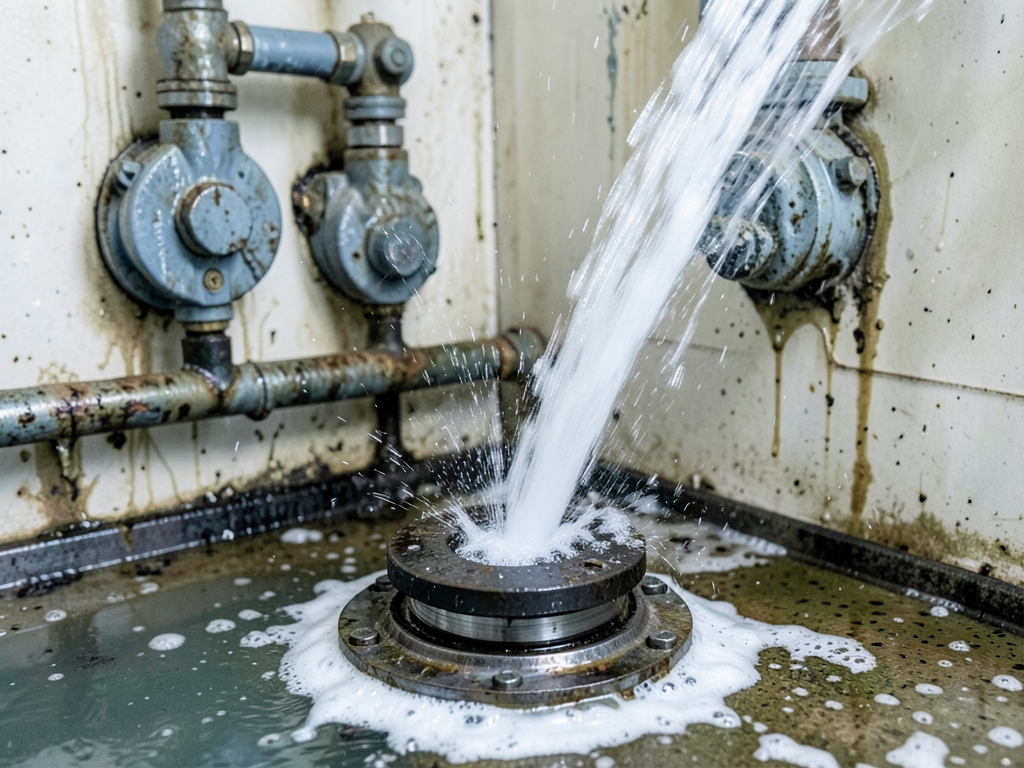
Photo showing common pool pump leak points: mechanical seal, PVC joints, and impeller housing with water spraying from failure points
The Risks of Pool Water Flooding in South Florida
Pool water flooding presents unique hazards in Miami Lakes compared to clean water leaks. The chlorine and other chemicals can corrode electrical components within hours. The high mineral content leaves behind deposits that trap moisture against surfaces. Commercial Water Damage Restoration.
Electrical Hazards are immediate and severe. Pool equipment rooms often share walls with electrical panels, water heaters, or HVAC systems. When chlorinated water contacts live electrical components, it creates a serious shock risk and can damage circuit breakers permanently.
Foundation Erosion becomes a major concern in Miami Lakes’ oolitic limestone bedrock. Pool water can seep through small cracks in the slab and erode the limestone beneath, potentially causing slab settlement or creating pathways for future water intrusion.
Rapid Mold Growth is accelerated by Miami’s 70-90% relative humidity. Pool water contains organic compounds from skin cells, sunscreen, and other contaminants that provide food for mold spores. Even after visible water is removed, moisture trapped in wall cavities can support black mold (Stachybotrys) growth within 48-72 hours.
Structural Damage to Equipment occurs when water reaches sensitive components. Pool pump motors can short out, timers can fail, and automation systems can be destroyed. The cost of replacing these components often exceeds the cost of professional water extraction.
Emergency Action Plan: What to Do Before Help Arrives
When you discover a pool pump leak flooding your utility room, follow these steps in order. This emergency action plan can minimize damage while keeping you safe. Water Damage Restoration Coral Gables.
- Shut Off Power Immediately
Locate your main electrical panel and turn off the breaker for the pool equipment. If water is spraying near electrical components, wear rubber-soled shoes and use a non-conductive tool to flip the breaker. Never touch wet electrical panels.
- Stop the Water Flow
Turn off the pool pump at the timer or disconnect switch. If the leak is from a valve, close all valves on the equipment side of the leak. For severe leaks, you may need to shut off the main pool water supply valve.
- Document the Damage
Take photos and videos of all affected areas before moving anything. Document the water source, extent of flooding, and any visible damage to equipment or structures. This documentation is crucial for insurance claims.
- Remove Standing Water
Use towels, mops, or a wet vacuum to remove as much standing water as possible. Focus on areas near electrical panels and equipment first. Do not use regular household vacuums for water removal.
- Improve Air Circulation
Open windows and doors if weather permits. Set up fans to circulate air, but do not point fans directly at electrical components until they’ve been inspected by a professional.
- Protect Valuables
Move important documents, electronics, and irreplaceable items to a dry area. Elevate furniture on blocks if water is still present on the floor.
Time is critical. According to IICRC S500 standards, Category 2 water (like pool water) should be addressed within 24-48 hours to prevent degradation to Category 3 (black water) conditions. In Miami’s humidity, this window is even shorter. IICRC S500 standards.
Our Miami Water Damage Restoration Process
Professional restoration for pool-related flooding requires specialized equipment and techniques suited to Miami’s unique climate challenges. Our process follows IICRC S500 standards while accounting for local conditions.
Initial Assessment and Safety Inspection begins with checking for electrical hazards and structural integrity. We use thermal imaging cameras to detect moisture behind walls and under flooring without causing additional damage. This is especially important in Miami Lakes homes where equipment rooms often share walls with living spaces.
Water Extraction and Chemical Neutralization involves removing standing water with industrial-grade pumps capable of handling chlorinated water. We neutralize pool chemicals to prevent further corrosion of metal components and surfaces.
Structural Drying uses high-velocity air movers and commercial dehumidifiers. In Miami’s humidity, we often need to run dehumidifiers for 48-72 hours to achieve proper moisture content levels in concrete and wood framing.
Mold Prevention Treatment includes applying antimicrobial solutions to all affected surfaces. We focus on transition zones where equipment rooms meet living spaces, as these areas are prone to hidden moisture pockets.
Final Inspection and Documentation uses moisture meters to verify that all materials have returned to acceptable moisture content levels. We provide detailed documentation for insurance purposes, including before-and-after photos and moisture readings.
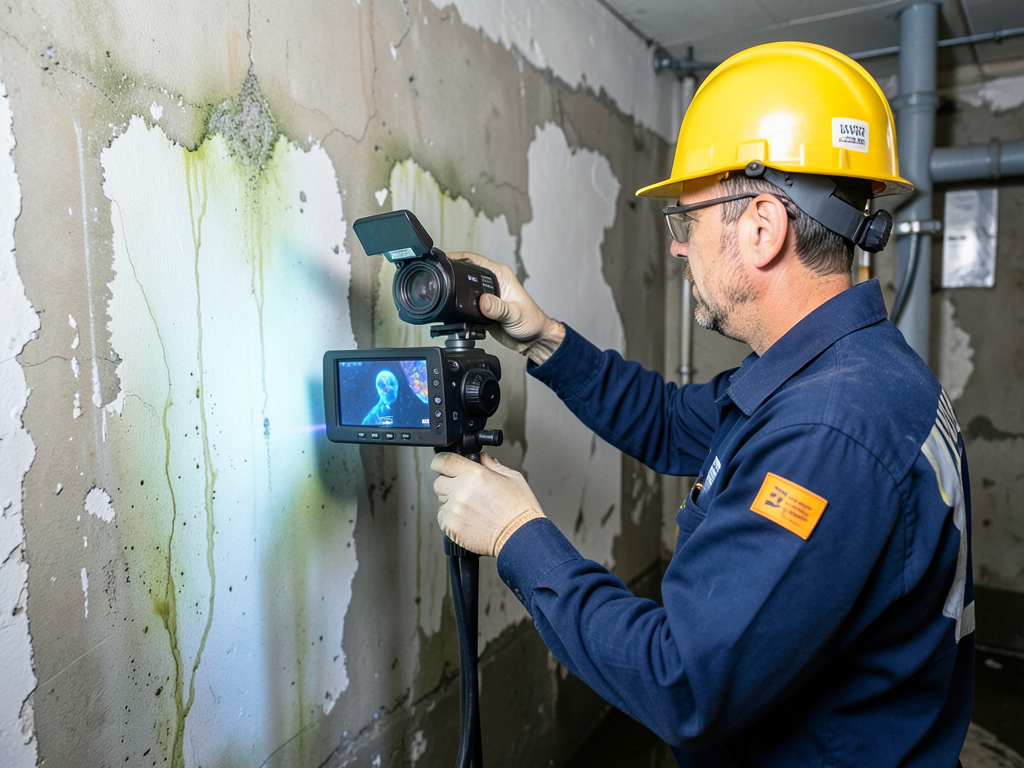
Photo showing thermal imaging camera detecting moisture behind equipment room walls in a Miami Lakes home
Navigating Insurance Claims for Pool-Related Flooding
Florida homeowners insurance policies vary significantly in how they handle pool equipment failures. Understanding your coverage before disaster strikes can save you thousands in out-of-pocket expenses.
Sudden and Accidental Coverage typically covers water damage from unexpected equipment failures, but may exclude damage to the equipment itself. If your pool pump seal fails suddenly and floods your utility room, structural damage is usually covered while the pump replacement may not be.
Maintenance Exclusions are common. Insurance companies may deny claims if they determine the failure resulted from lack of maintenance. Regular inspection of pool equipment, including checking for seal wear and pipe integrity, is essential for claim approval.
Documentation Requirements are strict. You’ll need photos of the damage, receipts for emergency services, and proof that you took reasonable steps to mitigate further damage. Our team provides detailed documentation that insurance companies accept without question.
Additional Living Expenses may be covered if flooding forces you to relocate temporarily. This can include hotel costs, restaurant meals, and other expenses while your home is being restored.
Flood Insurance Considerations come into play for homes in FEMA-designated flood zones. While pool equipment failures aren’t typically covered by flood insurance, storm surge or heavy rain that overwhelms your equipment could be.
Professional vs. DIY: When to Call the Experts
Small pool equipment leaks might seem manageable with DIY approaches, but several factors make professional restoration the safer choice for Miami Lakes homeowners.
Electrical Safety is the primary concern. Pool equipment rooms contain 240-volt circuits, timers, and automation systems. Without proper training, attempting repairs near water can result in serious injury or death.
Mold Prevention requires specialized equipment. Consumer-grade dehumidifiers cannot achieve the moisture removal rates needed in Miami’s humidity. Professional-grade equipment can remove 20-30 gallons of water per day compared to 5-10 gallons for consumer models.
Structural Assessment needs expertise. Water can damage concrete slabs, wood framing, and drywall in ways that aren’t visible to untrained eyes. We use moisture meters and thermal imaging to detect hidden damage that could lead to costly repairs later.
Insurance Navigation is complex. Professional restoration companies understand insurance requirements and can help ensure your claim is processed smoothly. We provide the documentation and estimates that insurance adjusters need.
Time Sensitivity matters in Miami. The combination of high humidity, warm temperatures, and organic contaminants in pool water creates ideal conditions for rapid mold growth. Professional teams can respond within 60 minutes and begin mitigation immediately.
Preventing Future Pool Equipment Flooding
Regular maintenance can prevent most pool equipment failures, but Miami’s climate requires specific attention to certain components.
Mechanical Seal Inspection should occur every 6 months. Look for water droplets around the pump shaft or unusual noises during operation. In Miami’s salt air, seals may need replacement every 2-3 years instead of the typical 5-year lifespan.
Pipe Joint Inspection involves checking all glued connections for signs of separation or cracking. Miami’s temperature fluctuations cause PVC pipes to expand and contract more than in temperate climates, stressing joints over time.
Chemical Balance Monitoring prevents equipment corrosion. Test pH, alkalinity, and calcium hardness weekly. Miami’s rainwater, which often has a pH around 5.5, can quickly throw off chemical balances after summer storms.
Equipment Pad Stability requires checking that your pump and filter remain level. Miami’s sandy soils can shift during heavy rains, causing equipment to tilt and stress plumbing connections.
Emergency Shutoff Installation provides quick response capability. Install clearly labeled shutoff valves for both water and electricity near your equipment. In an emergency, seconds matter.
Photo showing proper emergency shutoff valves and clearly labeled electrical disconnect for pool equipment
Local Building Code Considerations
Miami-Dade County has specific requirements for pool equipment installation and flood mitigation that affect how water damage restoration is performed.
Elevation Requirements under the Florida Building Code High-Velocity Hurricane Zone (FBC-HVHZ) require pool equipment to be elevated above the design flood elevation in many areas of Miami Lakes. Equipment installed below this elevation may require special flood-resistant construction.
Electrical Code Compliance under NEC Article 680 mandates specific grounding and bonding requirements for pool equipment. Water damage restoration must ensure these safety systems remain intact after repairs.
Drainage Requirements in Miami-Dade County require proper grading around pool equipment to direct water away from structures. Poor drainage can cause equipment flooding during heavy rains or king tide events.
Permit Requirements for repairs may apply depending on the extent of damage. Structural repairs, electrical work, or plumbing modifications typically require permits from Miami-Dade County Building Department.
Why Choose Local Miami Experts
Pool equipment flooding in Miami Lakes requires understanding of local conditions that out-of-area companies simply don’t have. Our team knows the specific challenges of working in Miami-Dade County.
Local Climate Knowledge means we understand how Miami’s humidity, salt air, and high water table affect drying times and mold growth patterns. We adjust our restoration process accordingly.
Building Code Expertise includes familiarity with Miami-Dade’s strict building codes and permit requirements. We ensure all repairs comply with local regulations.
Emergency Response Capability means we can arrive within 60 minutes anywhere in Miami Lakes. Our fleet is equipped for immediate deployment with all necessary equipment.
Insurance Experience includes working with all major insurance companies that operate in Florida. We understand their requirements and can help navigate the claims process.
Community Commitment means we’re not just passing through. We live and work in Miami Lakes, and our reputation depends on doing quality work for our neighbors.
Take Action Now to Protect Your Home
Pool equipment flooding can escalate from a minor inconvenience to major structural damage within hours. The combination of Miami’s humidity, salt air, and high water table creates conditions where delays cost thousands in additional repairs.. Read more about How Structural Drying Beats Traditional Fans for Saving Coconut Grove Properties.
If you’re experiencing a pool pump leak or have standing water in your utility room, don’t wait. Every hour allows water to spread deeper into walls, under flooring, and into electrical systems.
Call (786) 789-8282 today to schedule your inspection. Our certified technicians are available 24/7 to respond to pool equipment flooding emergencies in Miami Lakes and throughout Miami-Dade County. We’ll arrive within 60 minutes with the equipment and expertise to stop the damage and begin restoration immediately.
Don’t let a pool pump leak turn into a mold infestation or structural nightmare. Pick up the phone and call (786) 789-8282 before the next storm hits. Your home deserves the Fortress Shield of professional protection.
Frequently Asked Questions
How long does it take for mold to grow after pool equipment flooding?
In Miami’s climate, mold can begin growing within 24-48 hours after flooding. The combination of high humidity, warm temperatures, and organic contaminants in pool water accelerates microbial growth compared to clean water leaks.
Will my homeowner’s insurance cover pool equipment flooding?
Most policies cover sudden and accidental water damage from pool equipment failures, but may exclude the equipment itself. Coverage depends on your specific policy terms and whether the failure was due to maintenance issues or a true accident.
How much does professional water damage restoration cost?
Costs vary based on damage extent, but professional restoration for pool equipment flooding typically ranges from $2,000 to $8,000 in Miami Lakes. Factors include water volume, affected areas, and required repairs to electrical and structural components.
Can I use my pool after equipment flooding?
No. After equipment flooding, your pool should not be used until a professional has inspected and cleared it. Floodwater can contaminate pool water with chemicals, bacteria, and other hazardous substances that require professional treatment.
How long does the restoration process take?
Most pool equipment flooding restorations in Miami take 3-5 days. This includes water extraction, structural drying, mold prevention treatment, and final inspections. Complex cases involving electrical repairs or structural damage may take longer.
{
“@context”: “https://schema.org”,
“@type”: “BlogPosting”,
“headline”: “What to Do When Your Pool Pump Equipment Floods Your Miami Lakes Utility Room”,
“description”: “Pool pump leaks in Miami Lakes can flood utility rooms fast. Learn the causes, immediate steps, and when to call a certified water damage restoration expert.”,
“wordCount”: 2445,
“datePublished”: “2026-06-04T10:29:00.000Z”,
“dateModified”: “2026-06-04T10:29:00.000Z”,
“inLanguage”: “en-US”,
“mainEntityOfPage”: {
“@type”: “WebPage”,
“@id”: “https://fortresswaterdamagerestorationmiami.com”
},
“publisher”: {
“@type”: “LocalBusiness”,
“name”: “Fortress Water Damage Restoration Miami”,
“url”: “https://fortresswaterdamagerestorationmiami.com”
},
“author”: {
“@type”: “Organization”,
“name”: “Fortress Water Damage Restoration Miami”,
“url”: “https://fortresswaterdamagerestorationmiami.com”
},
“image”: {
“@type”: “ImageObject”,
“url”: “https://fortresswaterdamagerestorationmiami.com/wp-content/uploads/2026/03/what-to-do-when-your-pool-pump-equipment-floods-yo-1.png”
}
}
{
“@context”: “https://schema.org”,
“@type”: “LocalBusiness”,
“name”: “Fortress Water Damage Restoration Miami”,
“url”: “https://fortresswaterdamagerestorationmiami.com”,
“address”: {
“@type”: “PostalAddress”,
“addressLocality”: “Miami”
},
“areaServed”: {
“@type”: “City”,
“name”: “Miami”
}
}
{
“@context”: “https://schema.org”,
“@type”: “FAQPage”,
“mainEntity”: [
{
“@type”: “Question”,
“name”: “How long does it take for mold to grow after pool equipment flooding?”,
“acceptedAnswer”: {
“@type”: “Answer”,
“text”: “In Miami’s climate, mold can begin growing within 24-48 hours after flooding. The combination of high humidity, warm temperatures, and organic contaminants in pool water accelerates microbial growth compared to clean water leaks.”
}
},
{
“@type”: “Question”,
“name”: “Will my homeowner’s insurance cover pool equipment flooding?”,
“acceptedAnswer”: {
“@type”: “Answer”,
“text”: “Most policies cover sudden and accidental water damage from pool equipment failures, but may exclude the equipment itself. Coverage depends on your specific policy terms and whether the failure was due to maintenance issues or a true accident.”
}
},
{
“@type”: “Question”,
“name”: “How much does professional water damage restoration cost?”,
“acceptedAnswer”: {
“@type”: “Answer”,
“text”: “Costs vary based on damage extent, but professional restoration for pool equipment flooding typically ranges from $2,000 to $8,000 in Miami Lakes. Factors include water volume, affected areas, and required repairs to electrical and structural components.”
}
},
{
“@type”: “Question”,
“name”: “Can I use my pool after equipment flooding?”,
“acceptedAnswer”: {
“@type”: “Answer”,
“text”: “No. After equipment flooding, your pool should not be used until a professional has inspected and cleared it. Floodwater can contaminate pool water with chemicals, bacteria, and other hazardous substances that require professional treatment.”
}
},
{
“@type”: “Question”,
“name”: “How long does the restoration process take?”,
“acceptedAnswer”: {
“@type”: “Answer”,
“text”: “Most pool equipment flooding restorations in Miami take 3-5 days. This includes water extraction, structural drying, mold prevention treatment, and final inspections. Complex cases involving electrical repairs or structural damage may take longer.”
}
}
]
}
{
“@context”: “https://schema.org”,
“@type”: “HowTo”,
“name”: “Emergency Pool Leak Response”,
“step”: [
{
“@type”: “HowToStep”,
“position”: 1,
“name”: “Shut Off Power Immediately”,
“text”: “Locate your main electrical panel and turn off the breaker for the pool equipment. If water is spraying near electrical components, wear rubber-soled shoes and use a non-conductive tool to flip the breaker. Never touch wet electrical panels.”
},
{
“@type”: “HowToStep”,
“position”: 2,
“name”: “Stop the Water Flow”,
“text”: “Turn off the pool pump at the timer or disconnect switch. If the leak is from a valve, close all valves on the equipment side of the leak. For severe leaks, you may need to shut off the main pool water supply valve.”
},
{
“@type”: “HowToStep”,
“position”: 3,
“name”: “Document the Damage”,
“text”: “Take photos and videos of all affected areas before moving anything. Document the water source, extent of flooding, and any visible damage to equipment or structures. This documentation is crucial for insurance claims.”
},
{
“@type”: “HowToStep”,
“position”: 4,
“name”: “Remove Standing Water”,
“text”: “Use towels, mops, or a wet vacuum to remove as much standing water as possible. Focus on areas near electrical panels and equipment first. Do not use regular household vacuums for water removal.”
},
{
“@type”: “HowToStep”,
“position”: 5,
“name”: “Improve Air Circulation”,
“text”: “Open windows and doors if weather permits. Set up fans to circulate air, but do not point fans directly at electrical components until they’ve been inspected by a professional.”
},
{
“@type”: “HowToStep”,
“position”: 6,
“name”: “Protect Valuables”,
“text”: “Move important documents, electronics, and irreplaceable items to a dry area. Elevate furniture on blocks if water is still present on the floor.”
}
],
“image”: “https://fortresswaterdamagerestorationmiami.com/wp-content/uploads/2026/03/what-to-do-when-your-pool-pump-equipment-floods-yo-1.png”
}
{
“@context”: “https://schema.org”,
“@type”: “BreadcrumbList”,
“itemListElement”: [
{
“@type”: “ListItem”,
“position”: 1,
“name”: “Home”,
“item”: “https://fortresswaterdamagerestorationmiami.com”
},
{
“@type”: “ListItem”,
“position”: 2,
“name”: “Blog”,
“item”: “https://fortresswaterdamagerestorationmiami.com/blog”
},
{
“@type”: “ListItem”,
“position”: 3,
“name”: “What to Do When Your Pool Pump Equipment Floods Your Miami Lakes Utility Room”
}
]
}
{
“@context”: “https://schema.org”,
“@type”: “Service”,
“serviceType”: “Water Damage Restoration”,
“provider”: {
“@type”: “LocalBusiness”,
“name”: “Fortress Water Damage Restoration Miami”,
“url”: “https://fortresswaterdamagerestorationmiami.com”
},
“areaServed”: {
“@type”: “City”,
“name”: “Miami”
},
“description”: “Pool pump leaks in Miami Lakes can flood utility rooms fast. Learn the causes, immediate steps, and when to call a certified water damage restoration expert.”
}