


Miami sits at sea level surrounded by water on three sides. Hurricanes, tropical storms, and daily afternoon thunderstorms dump inches of rain in minutes. The limestone bedrock beneath Miami absorbs water like a sponge, pushing groundwater up through foundation cracks during king tides and heavy rain events. Older homes in neighborhoods like Little Havana and Liberty City have cast iron pipes that corrode in Miami's humid salt air, bursting without warning. Concrete block construction, common throughout Miami-Dade County, wicks moisture up from the ground, creating hidden water intrusion behind walls. Air conditioning systems run year-round in this climate, producing condensation that floods units when drain lines clog. The Biscayne Aquifer sits just feet below the surface, meaning any foundation crack becomes a water entry point during the wet season from May through October. High-rise condos along Brickell Avenue and Miami Beach face unique challenges with roof drainage systems overwhelmed during heavy rain, sending water cascading down interior walls. This combination of geography, climate, and construction methods makes water damage the most common property emergency in Miami.
We built our company around one principle: speed stops damage. When water is actively destroying your property, you need a team that arrives in under 90 minutes, not tomorrow morning. Fortress Water Damage Restoration Miami stations crews throughout Miami-Dade County, from Aventura to Homestead, so we reach you fast regardless of traffic on I-95 or the Palmetto Expressway. Our trucks carry truck-mounted extraction units that pull thousands of gallons per hour, industrial air movers that create rapid evaporation even in Miami's humid air, and commercial dehumidifiers that drop moisture levels to safe ranges within hours. We dispatch immediately when you call, arriving with thermal imaging cameras to find hidden water behind walls and moisture meters to document every wet material for your insurance claim.
Every technician on our team holds IICRC certification in water damage restoration and understands Miami's unique construction. We know how water moves through terrazzo floors common in Art Deco buildings on Ocean Drive. We understand how moisture affects the coral rock foundations in older Coconut Grove homes. We recognize when saltwater intrusion from Biscayne Bay requires different treatment than freshwater flooding. This local knowledge means we make the right decisions fast, preventing secondary damage like mold growth that starts within 48 hours in Miami's climate.
We work directly with every major insurance carrier operating in Florida. Our estimators document damage using Xactimate software that insurance adjusters trust, photograph every affected area, and provide detailed moisture readings that prove the scope of loss. You get a team that handles the insurance paperwork while you handle your family.

We dispatch crews the moment you call, reaching properties throughout Miami-Dade County in under 90 minutes. Our trucks stay stocked and ready because water damage gets exponentially worse with every passing hour. When your property is flooding, you need boots on the ground now, not an appointment window tomorrow.

Our extraction units pull water faster than portable shop vacs other companies use. We deploy dozens of commercial air movers and dehumidifiers powerful enough to dry structures in Miami's humid climate. Thermal imaging cameras find water you cannot see. Moisture meters document dryness for insurance and prevent future mold growth.
Every crew member holds current certification from the Institute of Inspection, Cleaning and Restoration Certification. They follow proven protocols for water extraction, structural drying, and contamination control. Certification means your property gets restored correctly the first time, preventing callbacks and additional damage from improper drying techniques.
We handle claims documentation for every major carrier in Florida. Our estimators photograph damage, measure moisture levels, and create detailed scopes of loss using Xactimate software that adjusters accept. You get one point of contact who communicates directly with your insurance company, removing the stress of claims management during an emergency.
Water damage takes many forms in Miami. A burst pipe creates a different emergency than hurricane flooding, and contaminated sewage backup requires specialized handling that clean water extraction does not. Fortress Water Damage Restoration Miami provides complete water damage remediation services across all categories and contamination levels. We handle emergency water removal when your property is actively flooding, structural drying that prevents mold growth in walls and ceilings, and full reconstruction when water destroys drywall, flooring, or cabinetry. Our services cover residential homes, commercial buildings, condominiums, and multi-family properties throughout Miami-Dade County. We mobilize the right equipment and crew size for jobs ranging from a single flooded bathroom to entire office buildings with multiple floors of water damage. The water damage restoration process requires different approaches based on the water source, contamination level, and affected materials. Clean water from supply lines needs immediate extraction and drying. Gray water from appliance malfunctions requires sanitization. Black water from sewage backups or storm flooding demands contamination control protocols that protect your health. We assess every job, classify the water category, and deploy the appropriate response.
When water is actively flooding your property, extraction must happen immediately. We deploy truck-mounted pumps that remove thousands of gallons per hour from basements, crawl spaces, and flooded rooms. Our crews extract standing water from carpets, pad, and subflooring before moisture migrates into wall cavities and insulation. Speed determines whether you face simple water removal or extensive reconstruction. We arrive with commercial extractors, submersible pumps, and wet vacuums sized to the job. The faster we pull water out, the more of your property we save.
After extraction removes standing water, moisture remains trapped in drywall, wood framing, concrete, and insulation. This hidden moisture causes mold growth, wood rot, and structural damage if not properly dried. We deploy industrial air movers that create rapid evaporation and commercial dehumidifiers that pull moisture from the air. Thermal imaging cameras map wet areas behind walls. Moisture meters track drying progress daily until materials reach safe levels below 15 percent moisture content. Structural drying takes three to five days in Miami's humid climate when done correctly with professional equipment.
Severe water damage requires removing and replacing destroyed materials. We handle the entire reconstruction process after water mitigation is complete. Our crews remove water-damaged drywall, insulation, baseboards, and flooring. We treat framing for mold prevention, install new insulation, hang and finish drywall, replace flooring, and paint to match existing finishes. You get one contractor from emergency response through final reconstruction, eliminating coordination headaches between multiple companies. We restore your property to pre-loss condition with warranties on all reconstruction work.
Miami's location, climate, and aging infrastructure create constant water damage risks that catch property owners off guard. The problems we respond to most often stem from Miami's unique combination of sea-level elevation, limestone geology, tropical weather patterns, and construction methods common in South Florida. Hurricane season brings obvious flooding risks, but the everyday threats cause just as much damage over time. Supply line failures, appliance malfunctions, roof leaks, and condensation problems happen year-round in this climate. Understanding these common issues helps property owners recognize problems early, but when water damage strikes, professional restoration prevents small leaks from becoming major reconstruction projects. Here are the water damage emergencies we handle most frequently across Miami-Dade County.
Corroded cast iron pipes in older Miami homes fail without warning, flooding entire floors in minutes. Water heaters reach the end of their lifespan and rupture. Washing machine hoses crack and spray hundreds of gallons behind appliances. Supply lines to toilets and sinks develop pinhole leaks that spray water inside walls for weeks before you notice ceiling stains. These failures happen suddenly and require immediate water extraction.
Tropical storms and hurricanes dump extreme rainfall that overwhelms drainage systems throughout Miami. Wind-driven rain penetrates roof systems and windows. Storm surge from Biscayne Bay floods coastal properties. King tides during full moons push groundwater up through foundations even without rain. These events flood entire neighborhoods and require large-scale water mitigation across multiple properties simultaneously.
Central air conditioning systems in Miami run nearly year-round, producing gallons of condensation daily. When drain lines clog with algae growth, condensate overflows into ceiling pans and floods through drywall. Attic air handlers flood insulation and ceilings below. Closet units leak into walls and flooring. These slow leaks cause hidden damage for weeks before water stains appear on ceilings or walls.
Sewer line blockages cause toilets and drains to back up, flooding bathrooms with contaminated black water. Tree roots invade aging clay sewer pipes common in older Miami neighborhoods. Heavy rain overwhelms municipal sewer systems, pushing sewage back into homes through floor drains. These category three water events require specialized contamination control, sanitization, and careful handling to protect occupant health.
Water damage creates chaos and panic. Your property is flooding, possessions are getting destroyed, and you need help immediately. When you call Fortress Water Damage Restoration Miami, you reach a trained specialist who asks targeted questions to understand your emergency, dispatches the nearest crew, and walks you through immediate steps to minimize damage while help is on the way. Our goal is to take control of the situation from the first phone call, arrive fast, and restore your property to pre-loss condition with minimal disruption to your life. Here is exactly what happens when you work with us for water damage restoration in Miami.
We answer emergency calls 24 hours a day, 365 days a year. When you call, a live person answers who understands water damage emergencies. They gather essential information about your situation, dispatch the nearest available crew, and provide an estimated arrival time based on your location and current traffic conditions. Our crews keep trucks fully stocked with extraction equipment, air movers, dehumidifiers, and moisture detection tools so they arrive ready to work. You receive a call when the crew is 15 minutes away so you can prepare for their arrival.
Upon arrival, our lead technician walks through your property to assess the full extent of water damage. They use thermal imaging cameras to find hidden moisture in walls, ceilings, and floors. Moisture meters measure wetness levels in all affected materials. We photograph every damaged area, document all wet materials, and create a detailed scope of work that becomes the foundation of your insurance claim. This assessment determines the water category, affected square footage, and equipment needed for proper drying.
Water damage restoration is not a one-day process. After initial extraction, drying equipment runs continuously for three to five days in most cases. Our technicians return daily to take moisture readings, adjust equipment placement, and track drying progress. We document moisture levels each visit to prove materials are drying properly. Equipment stays in place until moisture meters confirm all affected materials have reached safe dryness levels below 15 percent moisture content. Only then do we remove equipment and close out the project.
We follow industry-standard protocols developed by the Institute of Inspection, Cleaning and Restoration Certification. This systematic approach ensures complete water removal, proper structural drying, and prevention of secondary damage.
The restoration process begins the moment you call our emergency line. We dispatch a crew immediately and gather information about your water damage event. Upon arrival, technicians inspect the entire affected area, identify the water source and category, measure moisture levels in all materials, and photograph damage for documentation. We create a detailed moisture map showing every wet area in your property. This assessment determines equipment needs and establishes the drying plan.
We immediately extract all standing water using truck-mounted pumps and portable extractors. Crews remove soaked carpets, pads, and contents to access subflooring. We then position industrial air movers to create rapid evaporation across all wet surfaces. Commercial dehumidifiers pull moisture from the air to accelerate drying. Equipment placement follows psychrometric principles that maximize drying efficiency. We seal off affected areas to create controlled drying chambers that work even in Miami's humid outdoor air.
Our technicians return daily to measure moisture levels in floors, walls, and ceilings. We document readings, adjust equipment as needed, and track drying progress against industry standards. When materials reach safe moisture content below 15 percent, we remove equipment and perform final testing. We provide detailed documentation showing moisture readings from day one through completion. If reconstruction is needed, our crews transition directly into demolition and rebuild without delay.
Water damage restoration is not simply removing standing water and pointing fans at wet areas. Professional restoration follows psychrometric principles that account for temperature, humidity, airflow, and vapor pressure. Miami's subtropical climate makes proper drying especially challenging because outdoor humidity averages 75 percent year-round. When outdoor air contains more moisture than wet building materials, evaporation slows to a crawl or stops completely. This is why proper water damage restoration requires commercial dehumidification equipment that removes moisture from the air as wet materials release it.
The Institute of Inspection, Cleaning and Restoration Certification publishes the ANSI/IICRC S500 Standard for Professional Water Damage Restoration, which governs our industry. This standard classifies water damage by contamination level and evaporation load to determine proper restoration procedures. Category 1 water comes from sanitary sources like supply lines. Category 2 water contains contaminants from appliances, washing machines, or toilet tanks. Category 3 water is grossly contaminated from sewage, storm flooding, or rising groundwater. Each category requires different safety protocols and disposal procedures.
The S500 standard also classifies jobs by evaporation load based on how much material is wet. Class 1 involves minimal absorption into materials. Class 2 affects entire rooms with water wicking up walls. Class 3 involves water from overhead affecting ceilings, walls, insulation, and subfloors. Class 4 describes specialty drying situations involving materials like hardwood, plaster, or concrete that hold water tightly. These classifications determine equipment density, drying time, and monitoring frequency. Miami properties often fall into Class 2 or 3 due to the volume of rain during storm events and the wicking properties of concrete block construction common throughout South Florida.
Professional restoration requires moisture meters calibrated to specific materials. Pin-type meters measure moisture content in wood and drywall. Pinless meters scan large areas to map wet zones. Hygrometers measure relative humidity. Thermal cameras find hidden moisture. We document readings daily and compare against dry standards established in unaffected areas. Materials must reach equilibrium moisture content for Miami's climate, generally below 15 percent for wood and 1 percent for concrete, before equipment removal.
Restoration costs depend on water category, affected square footage, material damage, and drying time. Category 3 sewage backups cost more due to contamination protocols. Extensive demolition of drywall and flooring increases costs. Equipment density and labor time drive pricing on large losses. Insurance typically covers water damage from sudden failures like burst pipes but may exclude flood damage requiring separate flood insurance. We provide detailed estimates broken down by mitigation and reconstruction phases.
Complete structural drying takes three to five days for most residential water damage when proper equipment density is maintained. Larger commercial properties or Class 4 specialty drying situations may require seven to ten days. Drying cannot be rushed without causing secondary damage. Materials must release moisture gradually to prevent cracking, warping, or delamination. We monitor daily and adjust equipment but cannot force materials to dry faster than physics allows in Miami's humid climate.
Water damage restoration companies in Florida must carry general liability insurance and workers compensation coverage. Mold remediation requires a separate Florida mold remediation license issued by the Department of Business and Professional Regulation. Reconstruction work over a certain dollar threshold requires a state-licensed contractor. We maintain all required licenses, insurance, and certifications. Our crews follow OSHA safety standards for contaminated water handling, confined space entry, and electrical safety around water damage scenes.
This video demonstrates the water damage restoration process used by Fortress Water Damage Restoration Miami. Viewers learn about emergency water extraction techniques, structural drying equipment, moisture measurement protocols, and insurance documentation procedures. The video covers common water damage scenarios in Miami including burst pipes, hurricane flooding, and sewage backups. Viewers see industrial air movers, commercial dehumidifiers, thermal imaging cameras, and moisture meters in action during actual restoration projects throughout Miami-Dade County.
Fortress Water Damage Restoration Miami provides emergency water damage restoration services throughout Miami-Dade County. We respond to calls from Miami Beach to Kendall, Coral Gables to North Miami Beach, and everywhere in between. Our central location allows rapid response across the entire metro area, and our crews know the unique characteristics of different Miami neighborhoods. Historic homes in Coconut Grove face different water damage challenges than high-rise condominiums along Brickell Avenue. Properties in low-lying areas near Biscayne Bay flood during king tides and storm surge events that do not affect neighborhoods at slightly higher elevations in Pinecrest or Palmetto Bay. Understanding these local variations allows us to arrive prepared with the right equipment and approach for your specific situation.
We frequently respond to water damage emergencies in Miami Beach, where older Art Deco buildings face chronic plumbing failures and storm flooding. The barrier island location means saltwater intrusion during severe weather events, requiring specialized treatment approaches. Properties in downtown Miami and the Brickell financial district often involve high-rise condominiums where water damage on upper floors affects multiple units below. These situations require fast response to minimize damage to neighboring units and complex coordination between property management, unit owners, and insurance carriers. We have experience navigating these multi-party situations efficiently.
The inland neighborhoods of Hialeah, Miami Lakes, and Doral face different water damage patterns. These areas have newer construction but still experience frequent water damage from afternoon thunderstorms, air conditioning failures, and appliance malfunctions. We respond throughout West Miami-Dade, including Sweetwater, Fontainebleau, and Westchester, where aging infrastructure causes recurring plumbing failures. South Miami-Dade presents unique challenges in areas like Homestead and Florida City, which face extreme storm exposure and properties set on limestone bedrock that wicks groundwater into foundations.
Luxury properties in Coral Gables and Pinecrest often feature custom finishes and high-end materials that require specialized handling during water damage restoration. We understand how to protect Italian tile, hardwood floors, and custom millwork during the drying process. Our crews have worked in some of Miami's most prestigious neighborhoods and understand the expectation for careful, detailed restoration work. North of downtown, areas like Aventura, North Miami Beach, and Sunny Isles Beach present their own water damage challenges, particularly in aging condominium buildings near the Intracoastal Waterway where saltwater exposure accelerates pipe corrosion.
Yes. Water damage worsens fast in Miami's humid climate. What starts as a ceiling stain can trigger structural rot, mold growth, and electrical hazards within 48 hours. Professional restoration stops the spread, protects your home's value, and prevents health risks. Insurance claims often require documented professional mitigation to approve payouts. DIY efforts miss hidden moisture in walls and subfloors, creating long-term problems. Given Miami's susceptibility to tropical storms and plumbing failures in older homes, restoration protects your largest investment and keeps your family safe.
Stop the water source if safe, then call a licensed restoration company. Move valuables to dry areas and document everything with photos for insurance. Do not use household vacuums on standing water. Open windows if outdoor humidity is lower, but avoid this during Miami's rainy season. Turn off electricity to affected areas to prevent shock hazards. Remove wet rugs and furniture legs from carpets using foil or blocks. Avoid walking on soaked carpets to prevent delamination. Time matters. Mold begins growing within 24 hours in South Florida's climate.
Professional restoration includes water extraction, structural drying, dehumidification, antimicrobial treatment, and reconstruction if needed. Technicians use moisture meters and thermal imaging to find hidden water in drywall, insulation, and concrete slabs common in Miami construction. The process includes air mover placement, monitoring humidity levels, removing damaged materials like baseboards or drywall, and sanitizing affected areas. Documentation for insurance claims is standard. Advanced cases require mold remediation, odor removal, and HVAC cleaning. The goal is returning your property to pre-loss condition while preventing secondary damage.
Yes. Water damage worsens fast in Miami's humid climate. What starts as a ceiling stain can trigger structural rot, mold growth, and electrical hazards within 48 hours. Professional restoration stops the spread, protects your home's value, and prevents health risks. Insurance claims often require documented professional mitigation to approve payouts. DIY efforts miss hidden moisture in walls and subfloors, creating long-term problems. Given Miami's susceptibility to tropical storms and plumbing failures in older homes, restoration protects your largest investment and keeps your family safe.
Stop the water source if safe, then call a licensed restoration company. Move valuables to dry areas and document everything with photos for insurance. Do not use household vacuums on standing water. Open windows if outdoor humidity is lower, but avoid this during Miami's rainy season. Turn off electricity to affected areas to prevent shock hazards. Remove wet rugs and furniture legs from carpets using foil or blocks. Avoid walking on soaked carpets to prevent delamination. Time matters. Mold begins growing within 24 hours in South Florida's climate.
Professional restoration includes water extraction, structural drying, dehumidification, antimicrobial treatment, and reconstruction if needed. Technicians use moisture meters and thermal imaging to find hidden water in drywall, insulation, and concrete slabs common in Miami construction. The process includes air mover placement, monitoring humidity levels, removing damaged materials like baseboards or drywall, and sanitizing affected areas. Documentation for insurance claims is standard. Advanced cases require mold remediation, odor removal, and HVAC cleaning. The goal is returning your property to pre-loss condition while preventing secondary damage.
Yes, but success depends on response time and damage severity. Surface water on tile or sealed concrete can be extracted and dried without permanent harm. Porous materials like drywall, insulation, and carpeting often need replacement if saturated beyond 48 hours, especially in Miami's humidity. Wood framing can be saved if dried properly before rot sets in. Category 3 water (sewage or storm surge) requires disposal of affected materials due to contamination. Professional assessment determines what can be salvaged versus replaced. Quick action saves more materials and lowers total costs.
Costs vary based on water category, square footage, and damage extent. Minor leaks affecting one room may run a few thousand dollars. Significant flooding requiring drywall removal, flooring replacement, and mold remediation can reach tens of thousands. Miami properties with concrete slab foundations may cost more due to specialized drying equipment needs. Insurance typically covers sudden and accidental damage like burst pipes or appliance failures. Get a detailed estimate and work with your adjuster. Delaying restoration increases costs as secondary damage spreads through materials and structural components.
It can be, but it's cheaper than ignoring it. A small leak caught early might cost a few hundred dollars to dry and repair. Waiting allows mold growth, wood rot, and structural compromise, which can cost tens of thousands to fix. Miami's humidity accelerates damage. Insurance usually covers sudden incidents like pipe bursts but may deny gradual leaks from poor maintenance. The real expense comes from secondary damage. Foundation issues, electrical rewiring, and mold remediation add up fast. Address water damage immediately to minimize costs and protect your home's integrity.
Usually, if the damage is sudden and accidental. Homeowners policies typically cover burst pipes, appliance failures, and storm-related roof leaks. They exclude gradual damage from neglected maintenance or flooding (which requires separate flood insurance, common in Miami). Your policy likely covers emergency mitigation, water extraction, drying, and repairs minus your deductible. Document everything immediately with photos and call your insurer within 24 hours. A restoration company can work directly with your adjuster to streamline claims. Review your policy for coverage limits and exclusions before disaster strikes.
Yes, if moisture returns or the original remediation was incomplete. Mold needs moisture, oxygen, and organic material to grow. If the water source was not fixed or hidden moisture remained in wall cavities, mold can reappear. Miami's year-round humidity creates ideal conditions for regrowth if ventilation is poor or leaks recur. Professional remediation should include moisture mapping to find all affected areas and post-treatment verification testing. Address the root cause, like fixing leaky plumbing or improving drainage, to prevent recurrence. Surface cleaning alone without addressing moisture will fail.
Extremely likely if water is not removed within 24 to 48 hours. Miami's tropical climate, high humidity, and warm temperatures create perfect mold conditions year-round. Porous materials like drywall, insulation, and wood absorb water quickly and trap moisture inside walls and floors. Even small leaks behind cabinets or under sinks can grow colonies. Category 2 and 3 water (contaminated sources) carry mold spores that colonize immediately. Professional extraction, drying, and antimicrobial treatment dramatically reduce mold risk. DIY drying efforts often miss hidden moisture, guaranteeing future growth.
Payouts range from a few thousand to over fifty thousand dollars, depending on damage severity and your coverage limits. The average claim in Florida is higher than national averages due to hurricane exposure and aging infrastructure in areas like Miami. Insurance pays for covered losses minus your deductible. They review estimates, may send adjusters, and approve necessary mitigation and repairs. Document everything with photos and invoices. Claims for sewage backups or flooding may be denied without specific endorsements. Work with your restoration company to provide detailed reports that support your claim and maximize your payout.
Yes, but success depends on response time and damage severity. Surface water on tile or sealed concrete can be extracted and dried without permanent harm. Porous materials like drywall, insulation, and carpeting often need replacement if saturated beyond 48 hours, especially in Miami's humidity. Wood framing can be saved if dried properly before rot sets in. Category 3 water (sewage or storm surge) requires disposal of affected materials due to contamination. Professional assessment determines what can be salvaged versus replaced. Quick action saves more materials and lowers total costs.
Costs vary based on water category, square footage, and damage extent. Minor leaks affecting one room may run a few thousand dollars. Significant flooding requiring drywall removal, flooring replacement, and mold remediation can reach tens of thousands. Miami properties with concrete slab foundations may cost more due to specialized drying equipment needs. Insurance typically covers sudden and accidental damage like burst pipes or appliance failures. Get a detailed estimate and work with your adjuster. Delaying restoration increases costs as secondary damage spreads through materials and structural components.
It can be, but it's cheaper than ignoring it. A small leak caught early might cost a few hundred dollars to dry and repair. Waiting allows mold growth, wood rot, and structural compromise, which can cost tens of thousands to fix. Miami's humidity accelerates damage. Insurance usually covers sudden incidents like pipe bursts but may deny gradual leaks from poor maintenance. The real expense comes from secondary damage. Foundation issues, electrical rewiring, and mold remediation add up fast. Address water damage immediately to minimize costs and protect your home's integrity.
Usually, if the damage is sudden and accidental. Homeowners policies typically cover burst pipes, appliance failures, and storm-related roof leaks. They exclude gradual damage from neglected maintenance or flooding (which requires separate flood insurance, common in Miami). Your policy likely covers emergency mitigation, water extraction, drying, and repairs minus your deductible. Document everything immediately with photos and call your insurer within 24 hours. A restoration company can work directly with your adjuster to streamline claims. Review your policy for coverage limits and exclusions before disaster strikes.
Yes, if moisture returns or the original remediation was incomplete. Mold needs moisture, oxygen, and organic material to grow. If the water source was not fixed or hidden moisture remained in wall cavities, mold can reappear. Miami's year-round humidity creates ideal conditions for regrowth if ventilation is poor or leaks recur. Professional remediation should include moisture mapping to find all affected areas and post-treatment verification testing. Address the root cause, like fixing leaky plumbing or improving drainage, to prevent recurrence. Surface cleaning alone without addressing moisture will fail.
Extremely likely if water is not removed within 24 to 48 hours. Miami's tropical climate, high humidity, and warm temperatures create perfect mold conditions year-round. Porous materials like drywall, insulation, and wood absorb water quickly and trap moisture inside walls and floors. Even small leaks behind cabinets or under sinks can grow colonies. Category 2 and 3 water (contaminated sources) carry mold spores that colonize immediately. Professional extraction, drying, and antimicrobial treatment dramatically reduce mold risk. DIY drying efforts often miss hidden moisture, guaranteeing future growth.
Payouts range from a few thousand to over fifty thousand dollars, depending on damage severity and your coverage limits. The average claim in Florida is higher than national averages due to hurricane exposure and aging infrastructure in areas like Miami. Insurance pays for covered losses minus your deductible. They review estimates, may send adjusters, and approve necessary mitigation and repairs. Document everything with photos and invoices. Claims for sewage backups or flooding may be denied without specific endorsements. Work with your restoration company to provide detailed reports that support your claim and maximize your payout.
Fortress proudly serves the entire Miami area and nearby neighborhoods with prompt, expert water damage restoration services. Whether you're located downtown, in the suburbs, or along the coast, our team is just a call away. Use the map below to view our service area and get directions to our office. We’re local, responsive, and ready to help 24/7—because when disaster strikes, having a trusted team nearby makes all the difference.
Address:
Miami, FL, 33130
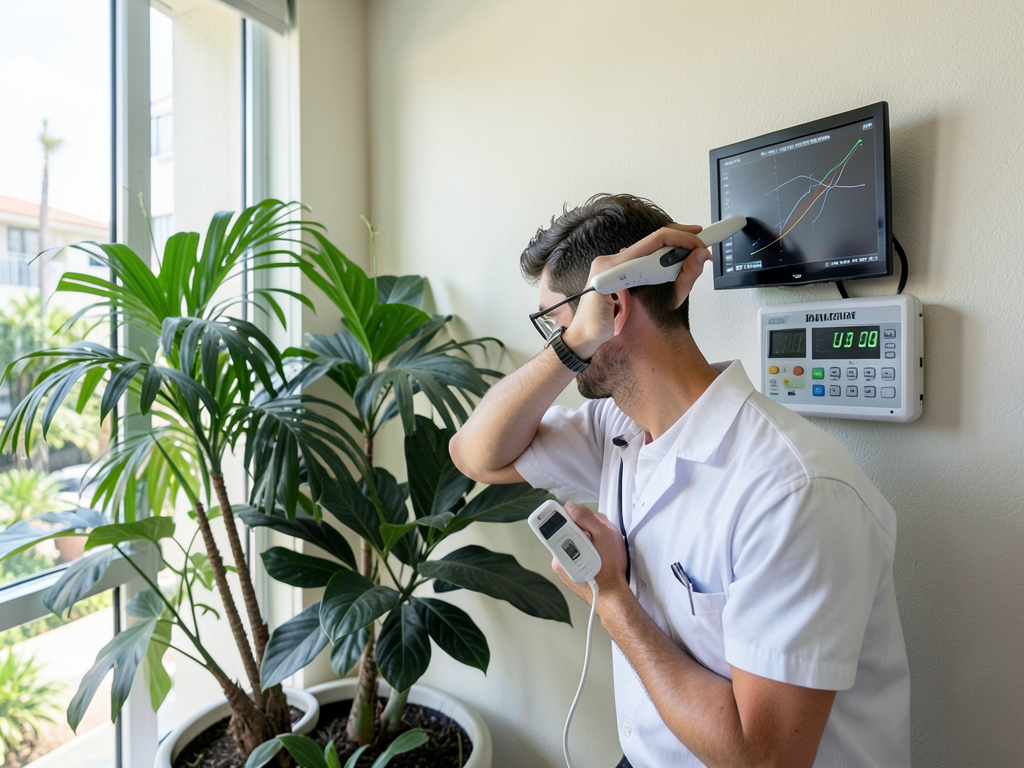
Can Too Many Indoor Plants Cause Humidity and Mold Issues in Your Miami Apartment? Living in Miami means dealing with high humidity year-round. When you combine that with dozens of indoor plants, you create conditions…
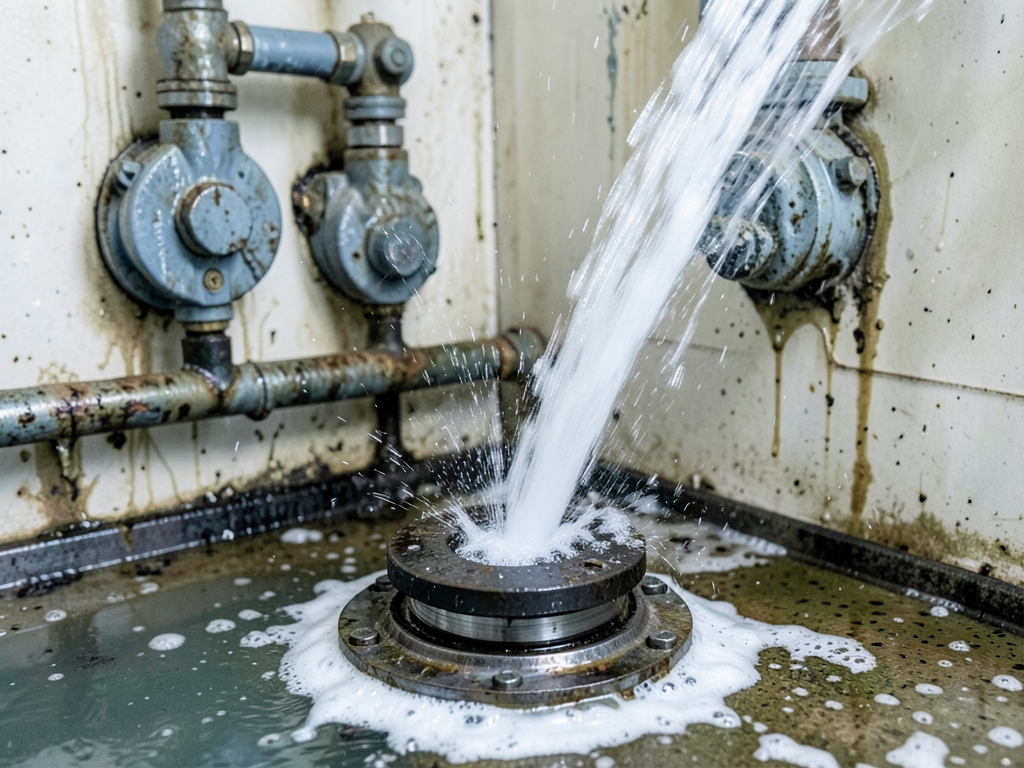
What to Do When Your Pool Pump Equipment Floods Your Miami Lakes Utility Room Pool…
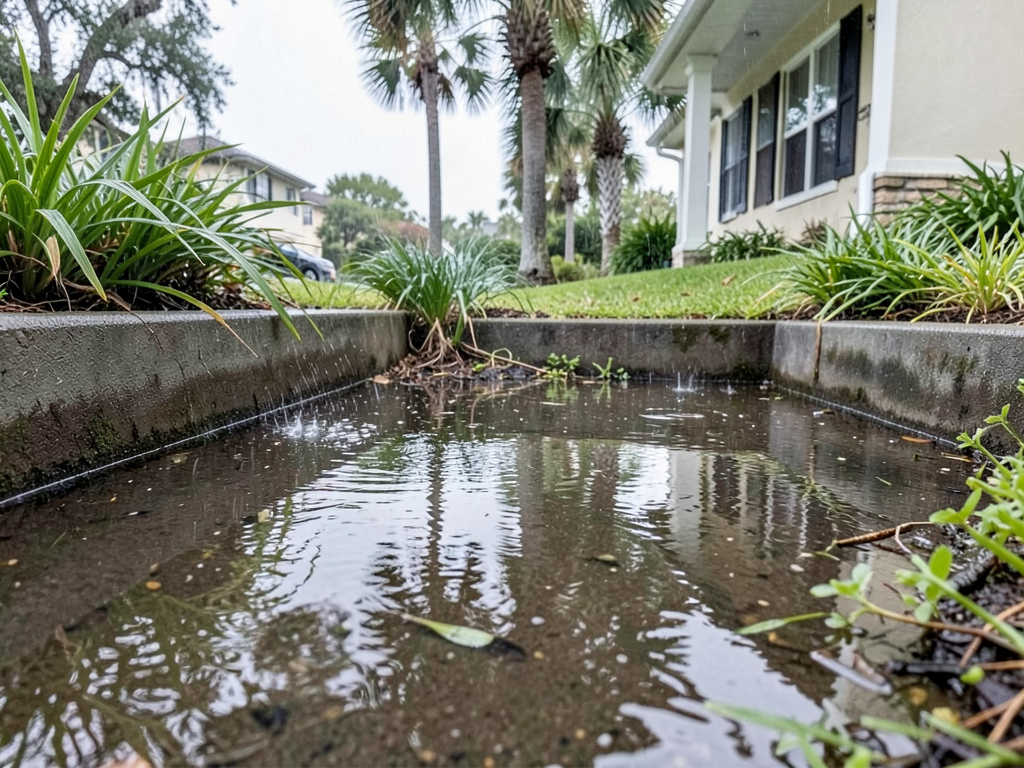
Why Standing Water in Your Palmetto Bay Yard Is a Threat to Your Living Room…
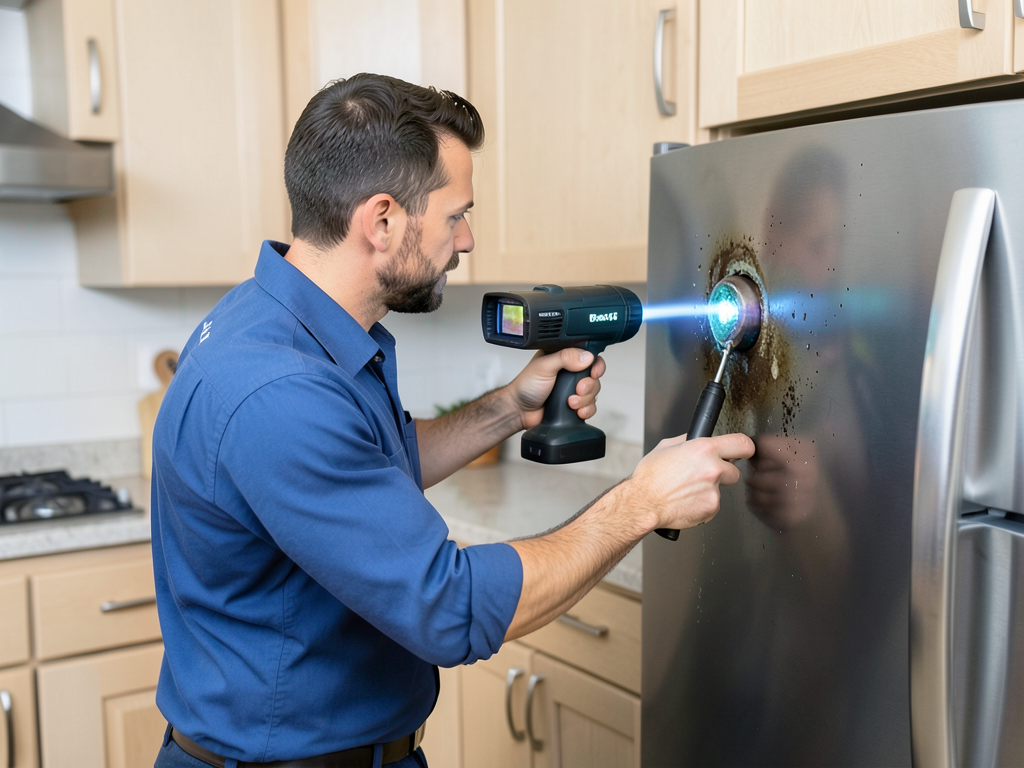
The Hidden Danger of That Tiny Plastic Water Line Behind Your Aventura Refrigerator Your refrigerator’s…
Every hour you wait allows more damage to occur. Call Fortress Water Damage Restoration Miami now at (786) 789-8282 for immediate dispatch. Our crews are standing by 24 hours a day to respond to your water damage emergency anywhere in Miami-Dade County.