
Finding and fixing hidden mold in Brickell high-rise condos
Mold thrives in Brickell’s high-rise condos because of year-round humidity, shared plumbing walls, and aging HVAC systems. When water damage goes unnoticed in a condo, mold can spread behind walls and under floors before anyone smells it. In Brickell, the combination of coastal salt air, tightly sealed high-rises, and seasonal resident turnover creates the perfect environment for hidden mold to grow. If you own or manage a Brickell condo, early detection and professional remediation protect both your property value and your health.
Why Brickell condos face unique mold challenges
Brickell’s high-rise buildings have shared plumbing risers, complex HVAC ducting, and often lack proper ventilation in interior units. Salt air accelerates corrosion on rooftop equipment, causing leaks that drip into upper-floor units. Seasonal residents leave units vacant for months, allowing humidity to build up without air circulation. Many Brickell buildings were constructed before modern moisture barriers, so water intrusion through aging concrete and window seals is common. These factors make Brickell condos more vulnerable to hidden mold than single-family homes.. Read more about Stopping balcony leaks from ruining your Brickell apartment interior.
How to spot hidden mold in your Brickell condo
Hidden mold often reveals itself through musty odors, especially in closets, under sinks, or near air vents. You might notice dark spots on walls or ceilings, but mold can also grow behind wallpaper or inside wall cavities. In high-rises, water from a leak on the 20th floor can travel down through concrete and appear as stains on lower floors. Condensation on windows or warped baseboards can signal excess moisture. If you or your family experience increased allergy symptoms or respiratory issues while at home, mold could be the cause.
Professional mold inspection process for high-rise condos
A licensed mold inspector in Miami-Dade uses thermal imaging cameras to detect temperature differences behind walls, which often indicate moisture. Moisture meters measure dampness in drywall, wood, and concrete without causing damage. Air quality tests capture mold spore counts to determine if levels are higher than normal. In Brickell high-rises, inspectors also check rooftop AC units, balcony door seals, and shared plumbing chases where leaks commonly start. The inspection process identifies the moisture source so remediation can be targeted and effective.
Containment and safety during mold remediation
Professional mold remediation in high-rise condos requires strict containment to protect other units and residents. Technicians seal off the affected area with plastic sheeting and create negative air pressure using HEPA-filtered air scrubbers. This prevents mold spores from spreading through the building’s shared air system. All workers wear full PPE including respirators, gloves, and Tyvek suits. In Brickell’s luxury condos, remediation teams coordinate with building management to use service elevators and protect common areas during the process. EPA mold information.
Step-by-step mold removal process
- Containment Setup
Seal the work area with 6-mil polyethylene sheeting and establish negative air pressure with HEPA air scrubbers.
- Material Removal
Cut out and remove all porous materials affected by mold, including drywall, insulation, and carpeting.
- Surface Cleaning
Clean all remaining surfaces with EPA-registered antimicrobial solutions and scrub with HEPA vacuums.
- Drying and Dehumidification
Deploy commercial dehumidifiers and air movers to remove all moisture from the structure.
- Post-Remediation Verification
Conduct final air and surface testing to confirm mold levels are back to normal.
Common mold sources in Brickell high-rises
AC condensate drain pans that clog and overflow are the leading cause of mold in Brickell condos. Roof leaks around HVAC curbs allow water to enter ceiling spaces. Failed window seals let humid air and rain into wall cavities. Shared plumbing risers can leak inside walls for weeks before detection. Even steam from bathrooms without proper exhaust fans creates chronic moisture problems. In high-rises, water can travel horizontally through concrete slabs, making the source of a leak difficult to pinpoint without professional equipment.. Read more about Solving persistent mold problems in humid Coconut Grove homes.
Preventing mold in your Brickell condo
Run your AC regularly to control humidity, even when you’re away. Set the thermostat no higher than 78°F to prevent moisture buildup. Use bathroom exhaust fans during and after showers. Check under sinks monthly for leaks. Have your AC serviced twice a year to clean coils and check drain lines. Consider installing a whole-condo dehumidifier if you notice persistent humidity. For seasonal residents, arrange for a local property manager to check your unit monthly during the summer months.
Legal responsibilities for mold in Miami condos
In Miami-Dade, condo associations are responsible for common elements like roofs, exterior walls, and shared plumbing. Individual owners are responsible for the interior of their units. If mold results from a common element failure, the association typically covers remediation costs. However, if the mold source is within your unit, you bear the expense. Florida law requires licensed mold assessors and remediators to handle significant mold problems. Always verify licenses through the Florida Department of Business and Professional Regulation before hiring any mold service. Florida Building Code.
Health risks of mold exposure in high-rises
Exposure to mold can cause respiratory issues, allergic reactions, and in some cases, more serious health effects. In high-rise buildings, mold spores can travel through HVAC systems and affect multiple units. Children, elderly residents, and those with compromised immune systems are most vulnerable. Black mold (Stachybotrys chartarum) produces mycotoxins that can cause severe symptoms. If you suspect mold and experience health issues, consult both a medical professional and a certified mold inspector immediately.
Cost factors for mold remediation in Brickell
The cost of mold remediation depends on the affected area size, the materials involved, and the complexity of containment needed in a high-rise. A small bathroom mold problem might cost $500-$1,500, while whole-unit remediation can exceed $10,000. Luxury finishes like marble, custom cabinetry, and designer wallcoverings increase costs because they require careful protection or replacement. Emergency weekend service and coordination with building management also add to the price. Most homeowner’s insurance covers mold if it results from a sudden, accidental cause like a burst pipe.
Why choose a local Miami-Dade mold expert
Miami-Dade’s climate creates mold problems that contractors from other regions don’t fully understand. Local experts know how salt air affects building materials, understand Brickell’s specific building codes, and have experience working in high-rise environments. They carry the proper Florida mold assessor and remediator licenses and understand the insurance claim process specific to South Florida. A local company can respond within hours, not days, which is critical when dealing with active water damage and mold growth.. Read more about Keeping South Beach vacation rentals free of mold and mildew.
Comparing DIY vs professional mold removal
| Aspect | DIY Mold Removal | Professional Mold Remediation |
|---|---|---|
| Effectiveness | Surface only, mold often returns | Complete removal with moisture source addressed |
| Safety | Risk of spreading spores, inadequate protection | Proper containment, PPE, HEPA filtration |
| Equipment | Household cleaners, basic tools | Industrial dehumidifiers, air scrubbers, thermal cameras |
| Time | Often takes longer, multiple attempts | Typically completed in 2-5 days |
| Guarantee | No warranty or follow-up testing | Post-remediation verification and warranty |
Frequently Asked Questions
Is mold common in Brickell high-rise condos?
Yes. Brickell’s high humidity, aging buildings, and complex shared systems make mold a frequent issue. Many units experience mold problems within their first 10 years, especially in buildings constructed before modern moisture barriers.
Who pays for mold remediation in a Miami condo?
It depends on the source. If the mold comes from a common element like the roof or shared plumbing, the condo association typically pays. If it originates within your unit, you’re responsible. Your insurance policy may cover sudden, accidental causes.
How long does mold remediation take in a high-rise?
Most residential mold remediation projects take 2-5 days. The timeline includes containment setup, material removal, cleaning, drying, and post-remediation testing. Complex luxury units or cases requiring extensive reconstruction may take longer.
Call now for Brickell mold inspection and remediation
Mold spreads quickly and can cause serious damage to your property and health. Don’t wait until the problem becomes visible or affects your family’s wellbeing. Our licensed Miami-Dade mold experts understand the unique challenges of Brickell high-rise condos and can respond within hours. Call (786) 789-8282 today to schedule your inspection. We’ll identify the source, contain the spread, and restore your condo to a safe, healthy condition. Pick up the phone and call (786) 789-8282 before the next storm hits or the humidity rises again.
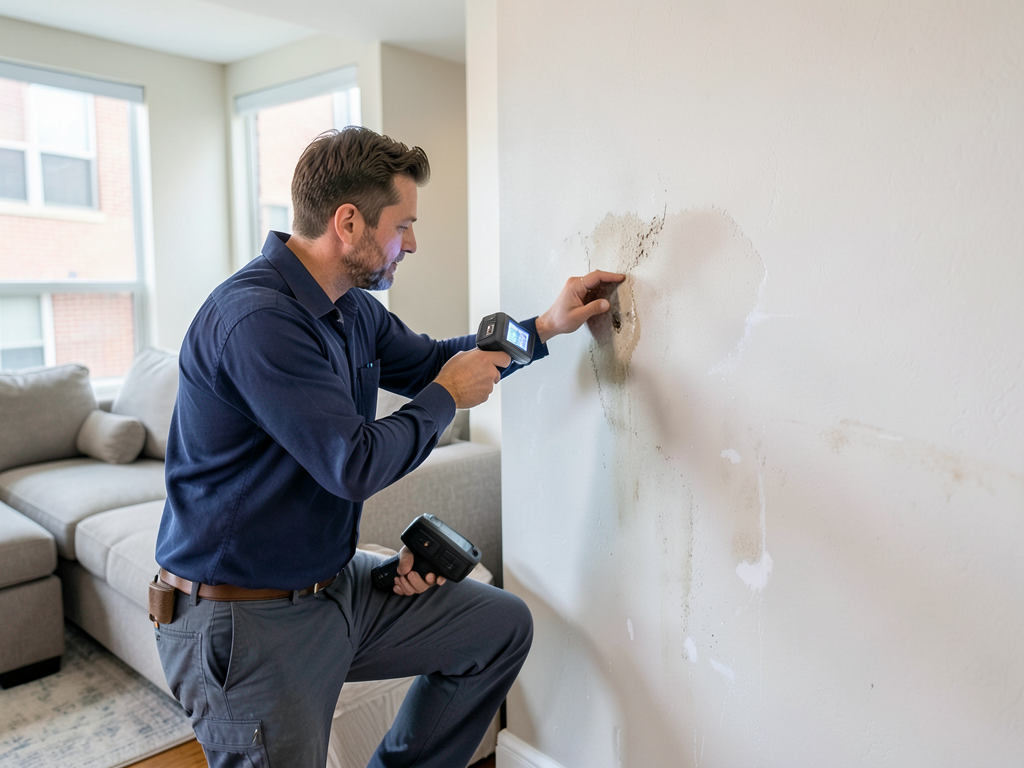
– Technician using thermal imaging camera to detect moisture behind drywall in Brickell condo living room
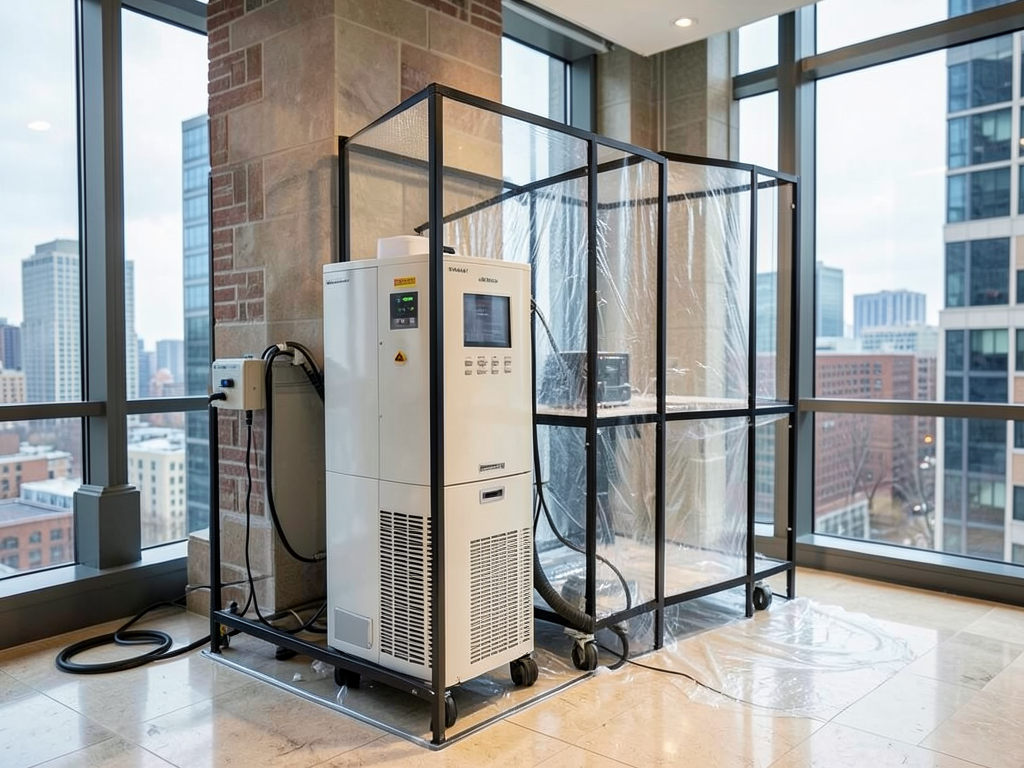
– HEPA air scrubber and containment setup in luxury Brickell high-rise unit during mold remediation
– Post-remediation verification testing showing normal mold spore counts in Brickell condo air quality test
You may also find this helpful. Why you should never ignore a musty smell in your Miami Lakes home.
{
“@context”: “https://schema.org”,
“@type”: “BlogPosting”,
“headline”: “Finding and fixing hidden mold in Brickell high-rise condos”,
“description”: “Brickell condos face unique mold risks from high humidity, shared walls, and aging HVAC systems. Learn how our licensed Miami-Dade team finds and fixes hidden mold fast.”,
“wordCount”: 1399,
“datePublished”: “2026-02-17T09:24:00.000Z”,
“dateModified”: “2026-02-17T09:24:00.000Z”,
“inLanguage”: “en-US”,
“mainEntityOfPage”: {
“@type”: “WebPage”,
“@id”: “https://fortresswaterdamagerestorationmiami.com”
},
“publisher”: {
“@type”: “LocalBusiness”,
“name”: “Fortress Water Damage Restoration Miami”,
“url”: “https://fortresswaterdamagerestorationmiami.com”
},
“author”: {
“@type”: “Organization”,
“name”: “Fortress Water Damage Restoration Miami”,
“url”: “https://fortresswaterdamagerestorationmiami.com”
},
“image”: {
“@type”: “ImageObject”,
“url”: “https://fortresswaterdamagerestorationmiami.com/wp-content/uploads/2026/03/finding-and-fixing-hidden-mold-in-brickell-high-ri-1.png”
}
}
{
“@context”: “https://schema.org”,
“@type”: “LocalBusiness”,
“name”: “Fortress Water Damage Restoration Miami”,
“url”: “https://fortresswaterdamagerestorationmiami.com”,
“address”: {
“@type”: “PostalAddress”,
“addressLocality”: “Miami”
},
“areaServed”: {
“@type”: “City”,
“name”: “Miami”
}
}
{
“@context”: “https://schema.org”,
“@type”: “FAQPage”,
“mainEntity”: [
{
“@type”: “Question”,
“name”: “Is mold common in Brickell high-rise condos?”,
“acceptedAnswer”: {
“@type”: “Answer”,
“text”: “Yes. Brickell’s high humidity, aging buildings, and complex shared systems make mold a frequent issue. Many units experience mold problems within their first 10 years, especially in buildings constructed before modern moisture barriers.”
}
},
{
“@type”: “Question”,
“name”: “Who pays for mold remediation in a Miami condo?”,
“acceptedAnswer”: {
“@type”: “Answer”,
“text”: “It depends on the source. If the mold comes from a common element like the roof or shared plumbing, the condo association typically pays. If it originates within your unit, you’re responsible. Your insurance policy may cover sudden, accidental causes.”
}
},
{
“@type”: “Question”,
“name”: “How long does mold remediation take in a high-rise?”,
“acceptedAnswer”: {
“@type”: “Answer”,
“text”: “Most residential mold remediation projects take 2-5 days. The timeline includes containment setup, material removal, cleaning, drying, and post-remediation testing. Complex luxury units or cases requiring extensive reconstruction may take longer.”
}
}
]
}
{
“@context”: “https://schema.org”,
“@type”: “HowTo”,
“name”: “Mold Remediation Process”,
“step”: [
{
“@type”: “HowToStep”,
“position”: 1,
“name”: “Containment Setup”,
“text”: “Seal the work area with 6-mil polyethylene sheeting and establish negative air pressure with HEPA air scrubbers.”
},
{
“@type”: “HowToStep”,
“position”: 2,
“name”: “Material Removal”,
“text”: “Cut out and remove all porous materials affected by mold, including drywall, insulation, and carpeting.”
},
{
“@type”: “HowToStep”,
“position”: 3,
“name”: “Surface Cleaning”,
“text”: “Clean all remaining surfaces with EPA-registered antimicrobial solutions and scrub with HEPA vacuums.”
},
{
“@type”: “HowToStep”,
“position”: 4,
“name”: “Drying and Dehumidification”,
“text”: “Deploy commercial dehumidifiers and air movers to remove all moisture from the structure.”
},
{
“@type”: “HowToStep”,
“position”: 5,
“name”: “Post-Remediation Verification”,
“text”: “Conduct final air and surface testing to confirm mold levels are back to normal.”
}
],
“image”: “https://fortresswaterdamagerestorationmiami.com/wp-content/uploads/2026/03/finding-and-fixing-hidden-mold-in-brickell-high-ri-1.png”
}
{
“@context”: “https://schema.org”,
“@type”: “BreadcrumbList”,
“itemListElement”: [
{
“@type”: “ListItem”,
“position”: 1,
“name”: “Home”,
“item”: “https://fortresswaterdamagerestorationmiami.com”
},
{
“@type”: “ListItem”,
“position”: 2,
“name”: “Blog”,
“item”: “https://fortresswaterdamagerestorationmiami.com/blog”
},
{
“@type”: “ListItem”,
“position”: 3,
“name”: “Finding and fixing hidden mold in Brickell high-rise condos”
}
]
}
{
“@context”: “https://schema.org”,
“@type”: “Service”,
“serviceType”: “Water Damage Restoration”,
“provider”: {
“@type”: “LocalBusiness”,
“name”: “Fortress Water Damage Restoration Miami”,
“url”: “https://fortresswaterdamagerestorationmiami.com”
},
“areaServed”: {
“@type”: “City”,
“name”: “Miami”
},
“description”: “Brickell condos face unique mold risks from high humidity, shared walls, and aging HVAC systems. Learn how our licensed Miami-Dade team finds and fixes hidden mold fast.”
}